
In 1985, European leaders officially adopted the “Ode to Joy” from Beethoven’s Ninth Symphony as the anthem of the European Union. There was just one problem: the words. The original German text could not be imposed on a community of nations speaking dozens of languages. Translation risked favouring one tongue over others, so the solution was radical and elegant: remove the words entirely. The melody alone—universal, wordless— would belong to everyone.
Thirty-five years later, on January 31st, 2020, the day the United Kingdom left the European Union, that same wordless “Ode to Joy” shot to the top of the British download charts. It was a quiet reminder that music still carries the weight of collective belonging, pride, and even mourning.
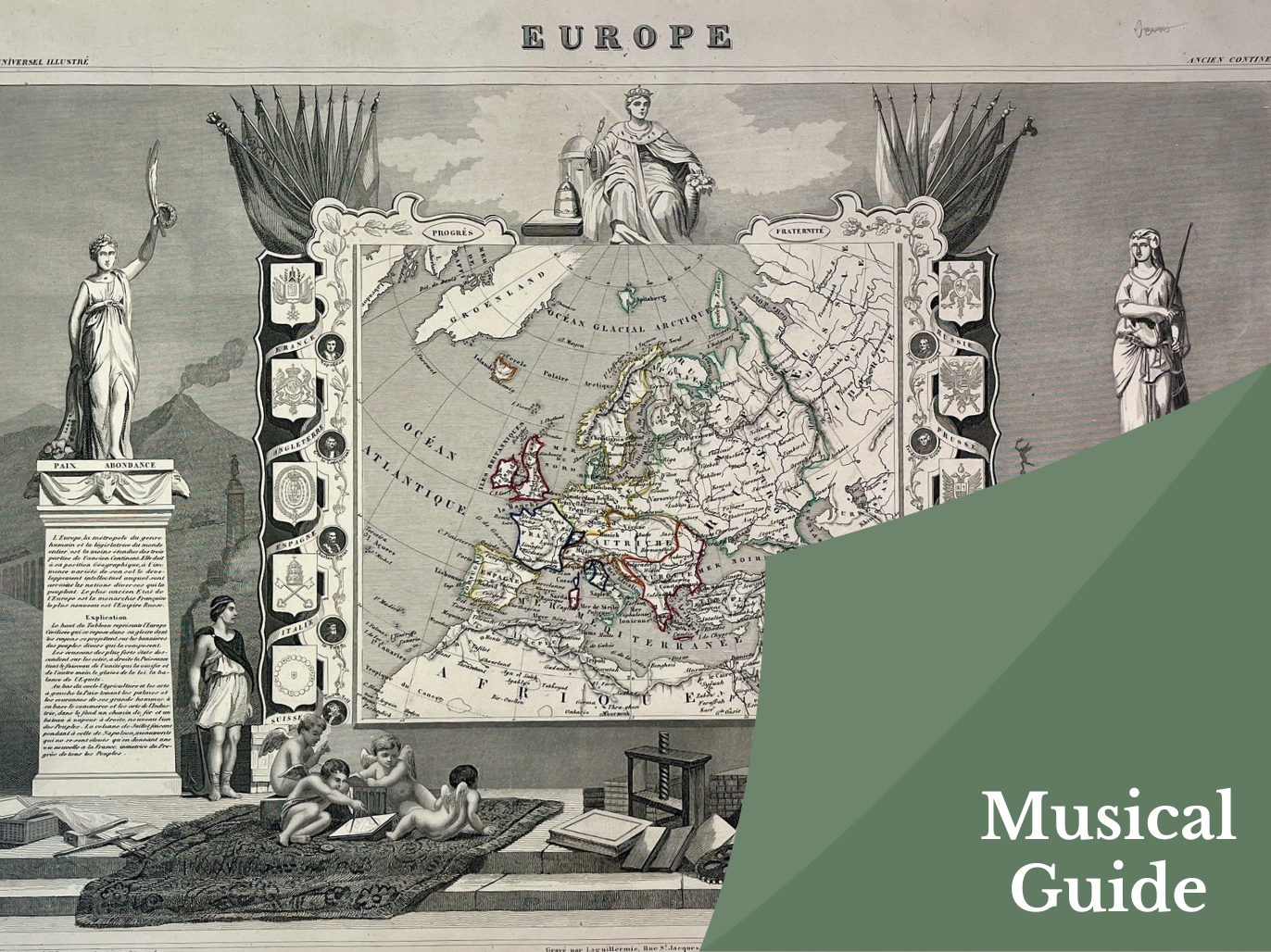
Music did not merely reflect the birth of modern European nations; it actively helped bring them into being. The nineteenth century transformed music into a deliberate political instrument. The Congress of Vienna in 1815, a summit of European powers convened after the Napoleonic Wars to redraw the map of Europe, had reshaped borders with little regard for the peoples living there. Poles, Czechs, Finns, and Norwegians had languages, histories, and cultures, but no sovereign states. Romanticism, meanwhile, exalted the folk, the land, and the unique genius of each people. Music stood at the crossroads of these forces: it could express what politics suppressed and say what diplomacy could not.
