
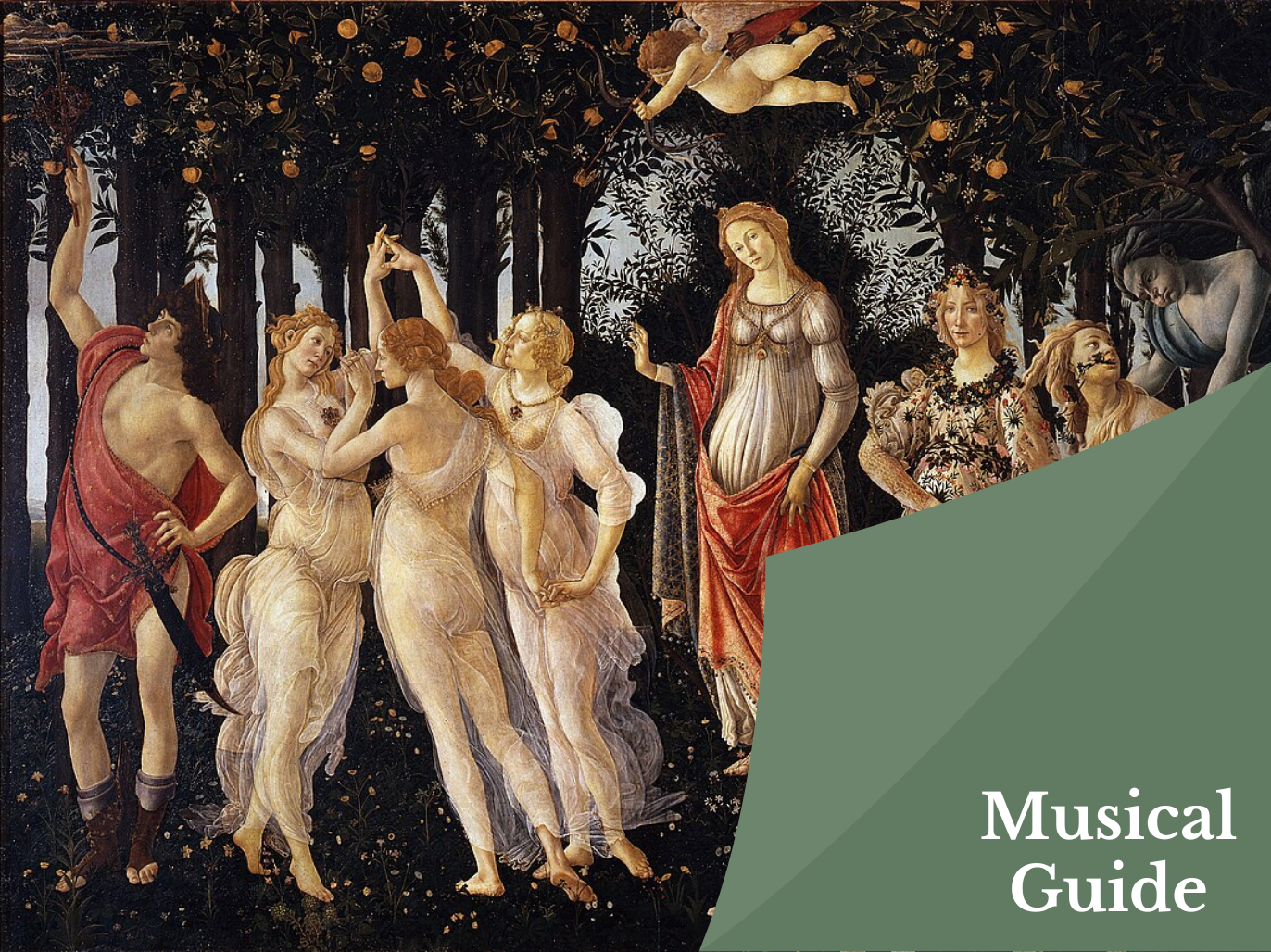
The legendary figures of Greek and Roman mythology have long provided a rich font of inspiration for composers. The earliest Italian operas, like Monteverdi’s L’Orfeo, depicted these heroes in lavish spectacles; later works, such as Strauss’s Elektra, plumb the murky psychological depths of these legends. As Odysseus traveled across the Mediterranean in search of home, we travel through the last 400 years of classical music in search of gods, monsters, and mortals.
View author's page
Reading time estimated : 15 min
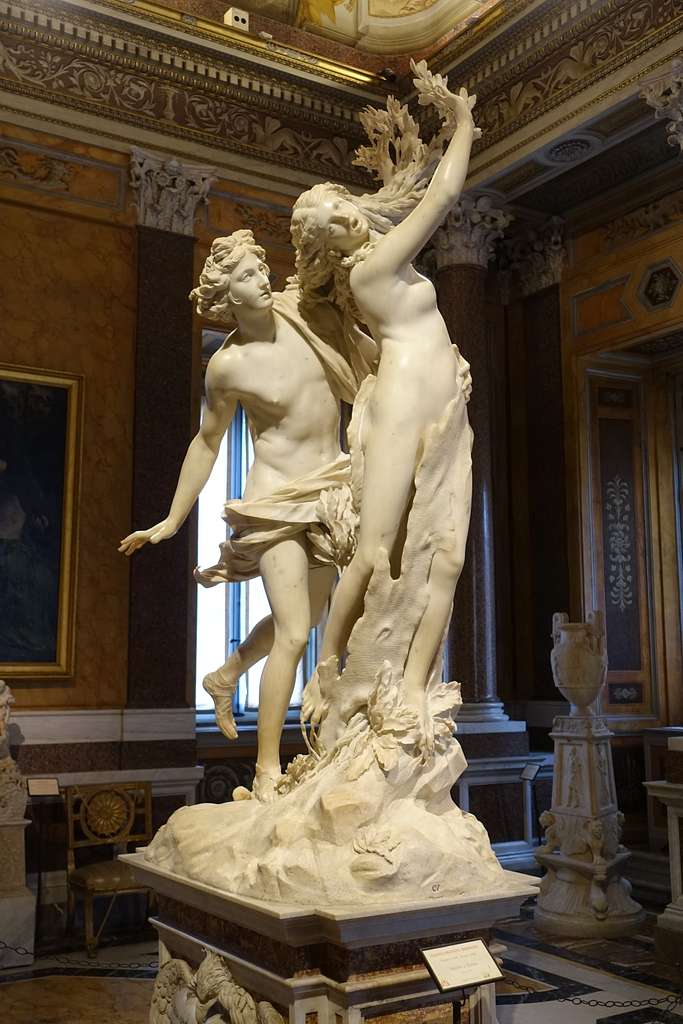
Since its inception, opera has been filled with the stories of Greek and Roman antiquity. The mythological figures of Apollo and Orpheus, renowned for their extraordinary musical prowess, were some of the first characters to appear on the operatic stage. Jacopi Peri’s opera Dafne premiered in 1597, making it the oldest known opera. It concerns the god Apollo and his doomed pursuit of the eponymous nymph. Peri’s Euridice, written three years later, remains the oldest opera still in existence.
Opera and mythology are a match made in heaven (or perhaps Elysium). Greek mythology abounds with tales of heroes entangled in love, lust, and political intrigue, all while navigating a world filled with danger and fantastical beings. Opera, which never shies away from the dramatic, provides the ideal stage to bring these stories to life. To counter claims that characters singing rather than speaking was irrational, earlier proponents of opera argued that music was the natural language of the gods; by their logic, mythology provided the ideal subject matter for the uncanny world of the stage.
Ancient Greek believed that music had tremendous power over human beings’ souls, minds, and even bodies. “Good” music could educate and soothe the tormented heart, while the “wrong” music could inflame the passions and even bring about untimely death. The alluring Sirens were not merely symbols of temptation; their singing voices had the literal power to cloud men’s minds. While modern views may have shifted, the dramatic power of music is undeniable. Music does more than elevate a text; it is a powerful storyteller on its own, making a listener feel the gamut of emotions from joy to grief. Music can reveal what’s going on without saying a word. Sometimes, music can even reveal the truth to us: while a traveler in disguise may go unnoticed by those around him, the music can tell us exactly who he is.
Claudio Monteverdi, Il ritorno d’Ulisse in patria
Odysseus is one of the most enduring characters in all of Western culture. Across his epic journey home, he encounters a memorable cast of characters including a cyclops, a witch, and enchanting sea monsters. Many of us can relate to losing love, longing for home, or feeling tossed around by fate. In times of war, we want to root for the weary veteran to make it safely back to his family. It’s unsurprising that the story of Odysseus, a tale of triumph against all odds, has proven an ideal dramatic vehicle since the early days of opera.
Nearly 400 years before Matt Damon sailed home to Ithaca as Odysseus, Claudio Monteverdi brought the cunning warrior to the stage. One of the first great opera composers, Monteverdi bridged the gap between the Renaissance and Baroque eras. Most of his operas concern the fates of ancient Greek and Roman figures; L’Orfeo, one of his first, is the earliest of the genre still widely performed.
Il ritorno d’Ulisse in patria, Monteverdi’s penultimate opera, premiered in Venice in 1639 or 1640. In this scene, a disguised Ulisse reveals himself to his son Telemaco, played here by a young Jonas Kaufmann. Recognition scenes such as this one are a common trope in opera; other famous examples include Mozart’s Così fan tutte and Beethoven’s rescue opera Fidelio. Their vocal lines are mostly syllabic, performed above a recitativo secco (accompanied only by a small grouping of instruments as opposed to the entire orchestra). This relatively simple, declamatory style of singing was eventually supplanted by the more ornate, virtuosic arias of the Baroque period.
George Frideric Handel, Alcina
By the time Handel premiered Alcina in London in 1735, the virtuosic writing which came to define Baroque opera was firmly established. The seemingly superhuman technical requirements of these arias—wide vocal ranges, flawless execution of trills, improvisation, and tremendous breath support—were perfectly suited to tales of gods and goddesses.
Based on the Renaissance epic poem Orlando furioso, Alcina draws inspiration from the tale of Circe. Like the Homeric witch, Alcina and her sister Morgana are powerful sorceresses who inhabit remote islands. In both tales, these amorous women have the power to turn men into beasts. Alcina contains some of Handel’s most brilliant vocal writing as well as some of his most complex characters. The first act ends with “Tornami a vagheggiar,” one of Handel’s most enduring arias. Morgana sings of her devotion to “Ricciardo” (actually a woman disguised as a soldier). She sends “him” away to escape the wrath of her sister, Alcina, but begs him to return to her.
Christoph Willibald Gluck, Orfeo ed Euridice
Orpheus has long been the archetype of the inspired singer. He has appeared throughout art and pop culture, giving name to everything from musical ensembles to the Orpheum Circuit theaters in the United States. His tale of love and loss has inspired countless musical works, from Peri’s Euridice and Monteverdi’s L’Orfeo to Anaïs Mitchell’s hit Broadway musical Hadestown. Spanning these centuries are Orphic works by some of the titans of classical music, from Charpentier and Haydn to Liszt and Offenbach.
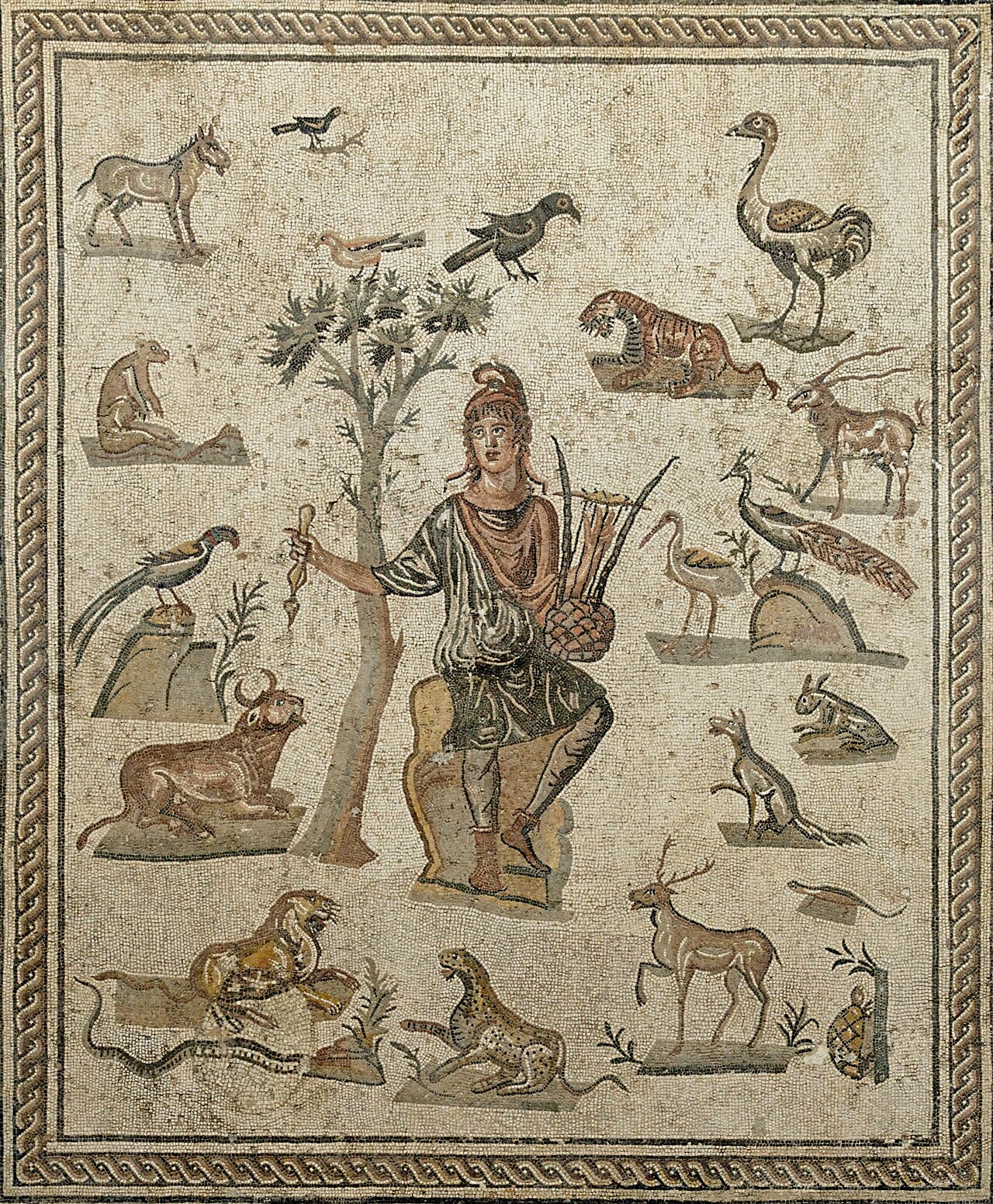
Today, Gluck’s Orfeo ed Euridice is the most widely-performed operatic rendition of the Orpheus myth. Its most famous aria, “Che farò senza Euridice,” comes in the final act as the title characters are leaving Hades. Orpheus famously turns back to look at his beloved, dooming her to an eternity in the underworld. The role of Orpheus was premiered by a castrato, though today he is typically sung by a mezzo-soprano, or, in this case, a countertenor.
With Orfeo ed Euridice, Gluck sought to rein in the excesses of Baroque opera. He replaced showstopping virtuoso setpieces with restrained arias designed to propel the action forward. While “Che farò senza Euridice” lacks the florid pyrotechnics of “Tornami a vagheggiar,” it provides space for a gifted actor to convey Orpheus’ grief. Gluck’s reforms were highly influential on later generations of composers from Mozart to Wagner.
Karol Szymanowski, Mythes, mvt. I, “La fontaine d’Arethuse”
Opera isn’t the only genre to explore the legends of antiquity. In the early years of the First World War, Polish composer Karol Szymanowski completed a pair of chamber works based upon Greek mythology. The pieces, Métopes (for solo piano) and Mythes (for violin and piano) were inspired by the composer’s journeys around the Mediterranean, including to the island of Sicily. There he saw the Fountain of Arethusa in Syracuse. According to Greek mythology, the fountain is where the nymph Arethusa was transformed into a fountain to escape the amorous advances of the river god Alpheus.
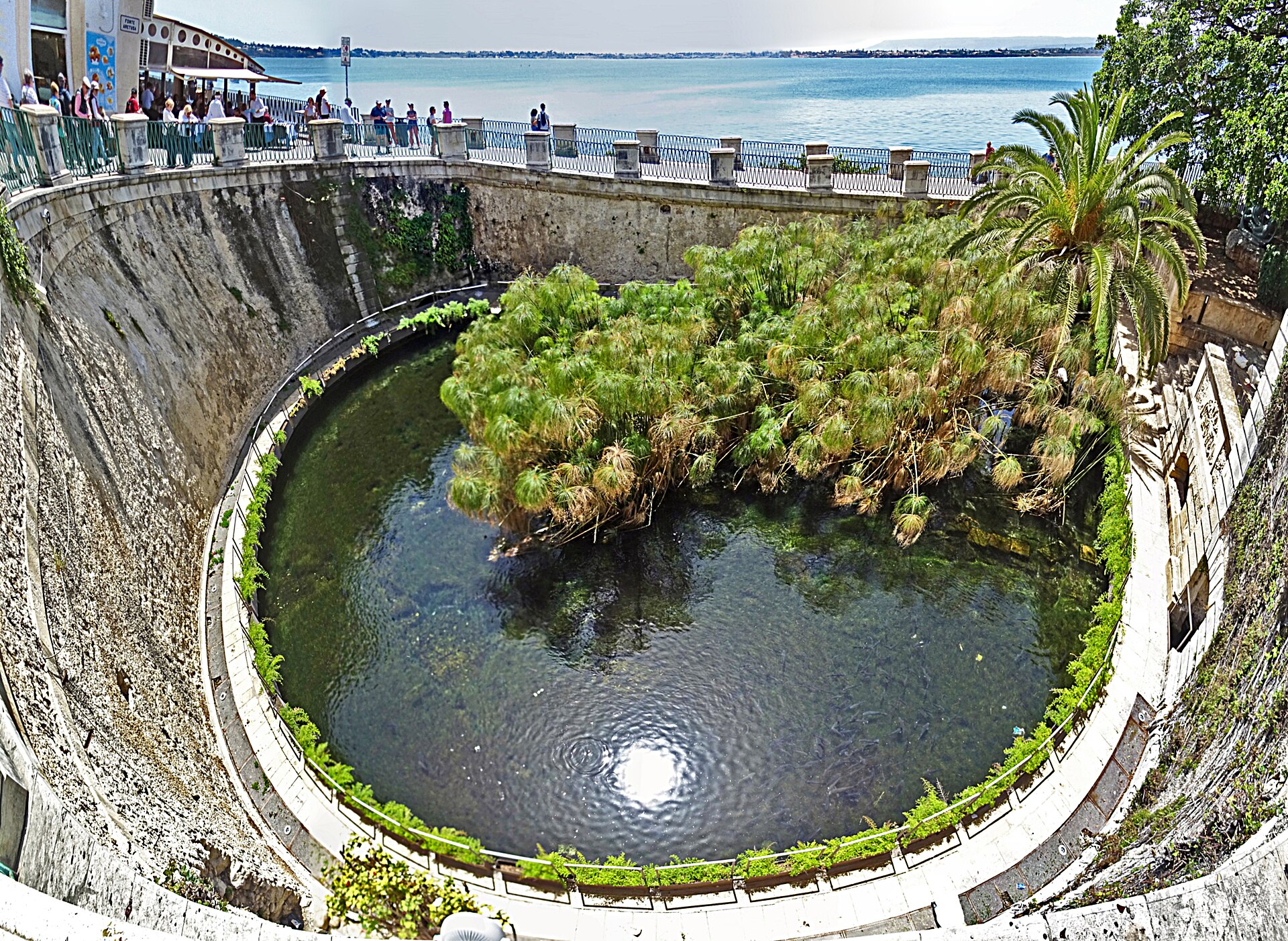
Szymanowski depicts the Fountain in the first movement of Mythes. The opening bars mimic the bubbling spray of the stream where Arethusa is bathing. The rippling piano arpeggios show the clear influence of Jeux d’eau by Maurice Ravel, one of the Impressionist composers Szymanowski idolized. In this dazzling movement, the violin represents the nymph while the piano represents Alpheus. The music grows more agitated as Arethusa attempts to flee.
Hector Berlioz, Les Troyens
Virgil’s epic poem Aeneid was the Roman response to Homer’s Odyssey. It tells of the Trojan hero Aeneas, who flees the fall of his city and eventually becomes the forefather of the Romans. Before reaching Italy he arrives in Carthage, where he falls in love with Dido, its queen. Opera’s most famous depiction of these star-crossed lovers is undoubtedly Henry Purcell’s Dido and Aeneas, known for Dido’s heartbreaking lament, “When I am laid in earth.”
Like Dido and Aeneas, Hector Berlioz’s five-act grand opera Les Troyens recounts the aftermath of the Trojan War and the exploits of Aeneas. This titanic work—nearly five hours in length—went unperformed in its entirety for more than 20 years after its composer’s death. Berlioz, a pioneer of orchestration, wrote for several unusual instruments to bring ancient Carthage to life. The large score calls for, among other things, a saxhorn (a small brass instrument similar to a bugle), north African goblet drums, an ancient Egyptian rattle known as a sistrum, and even a thunder machine.
Berlioz composed his own version of Dido’s farewell aria. Here, Didon bids farewell to her lover and her proud city before taking her own life. The sumptuous aria moves at a solemn adagio reflecting the doomed queen’s calm resignation. Still, descending appoggiatura in the vocal line evoke the steady fall of bitter tears.
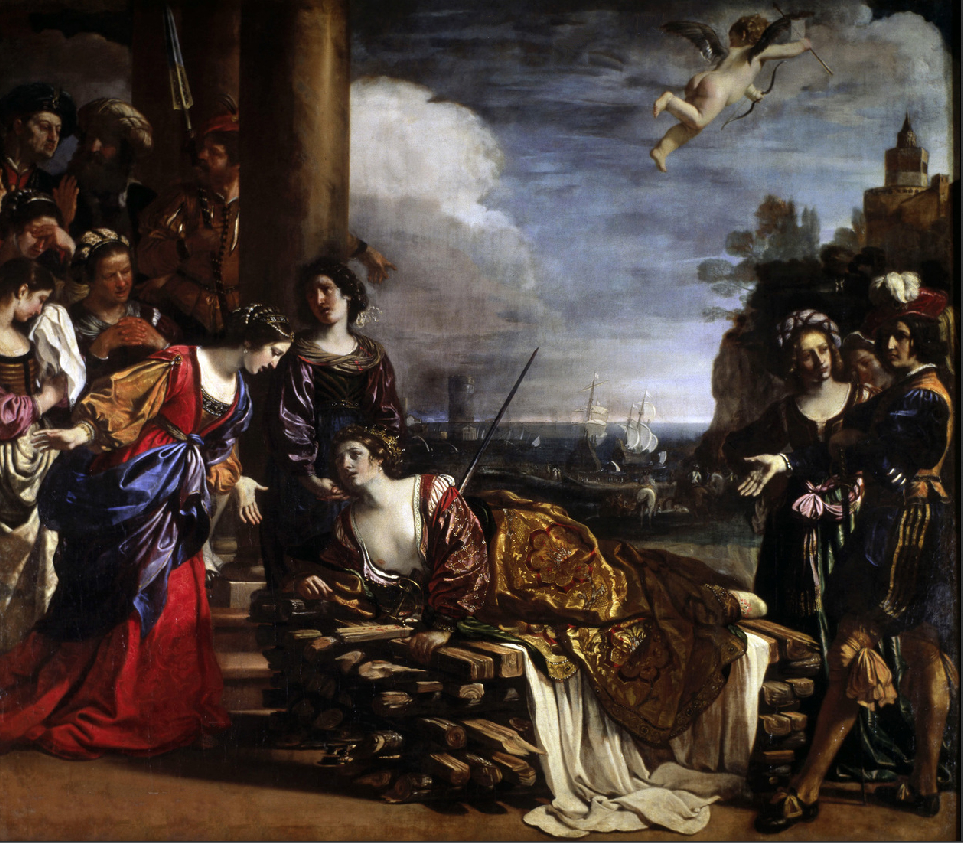
Igor Stravinsky, Oedipus Rex
Stravinsky completed his opera-oratorio Oedipus Rex in 1927 during his decades-long neoclassical period; Greek mythology was a common theme throughout. Based on Sophocles’ great tragedy, the libretto was written by Jean Cocteau in French and then translated into Latin. Stravinsky referred to this ancient language as “a medium not dead but turned to stone.”
This evocation of stone clearly informs Julie Taymor’s spellbinding production. Statuesque costumes inspired by kabuki theater imbue the performance with uncanny gravitas. Stravinsky borrows form styles both old and new to create something thoroughly modern. In this scene, the queen Jocasta (the mother and later wife of Oedipus) dismisses the prophecies of oracles, unaware of her own doom. The late soprano Jessye Norman imbues Jocasta with her signature regality and instantly recognizable timbre.
Richard Strauss, Elektra
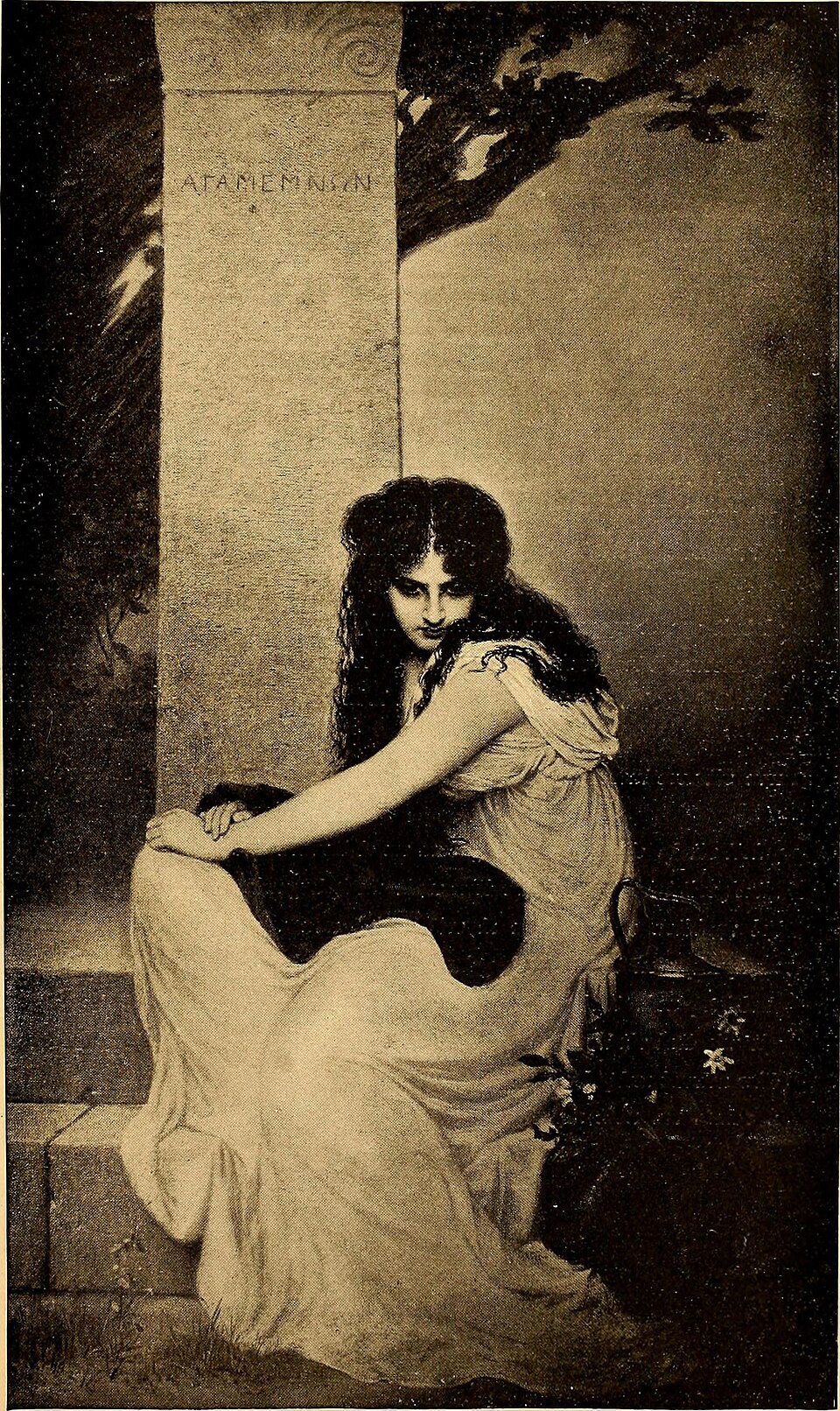
Though we see little of Agamemnon in Nolan’s Odyssey, his story doesn’t end in Troy. After the events of the Trojan War, the Mycenaean king returns home. In revenge for the slaying of their daughter Iphigenia, his wife Clytemnestra murders him. Strauss’s opera Elektra takes place years after this murder and follows his surviving children in their quest for revenge.
This masterpiece of early operatic expressionism focuses less on plot and more on the psychological states of its characters. In Elektra, Strauss composed some of his most dissonant and at times even grotesque music. At the opera’s climax, Elektra and her sister Chrysothemis rejoice at the news that their brother, Orest, has murdered their mother and stepfather. In her joy, Elektra ultimately dances herself to death. The music which accompanies this scene shows Strauss’s supreme command of writing for sopranos (his wife was a highly-regarded soprano) as well as his ability to compose music of intense ecstasy. Both Elektra’s vocal lines and the orchestra’s wordless interludes reveal the character’s unraveling.
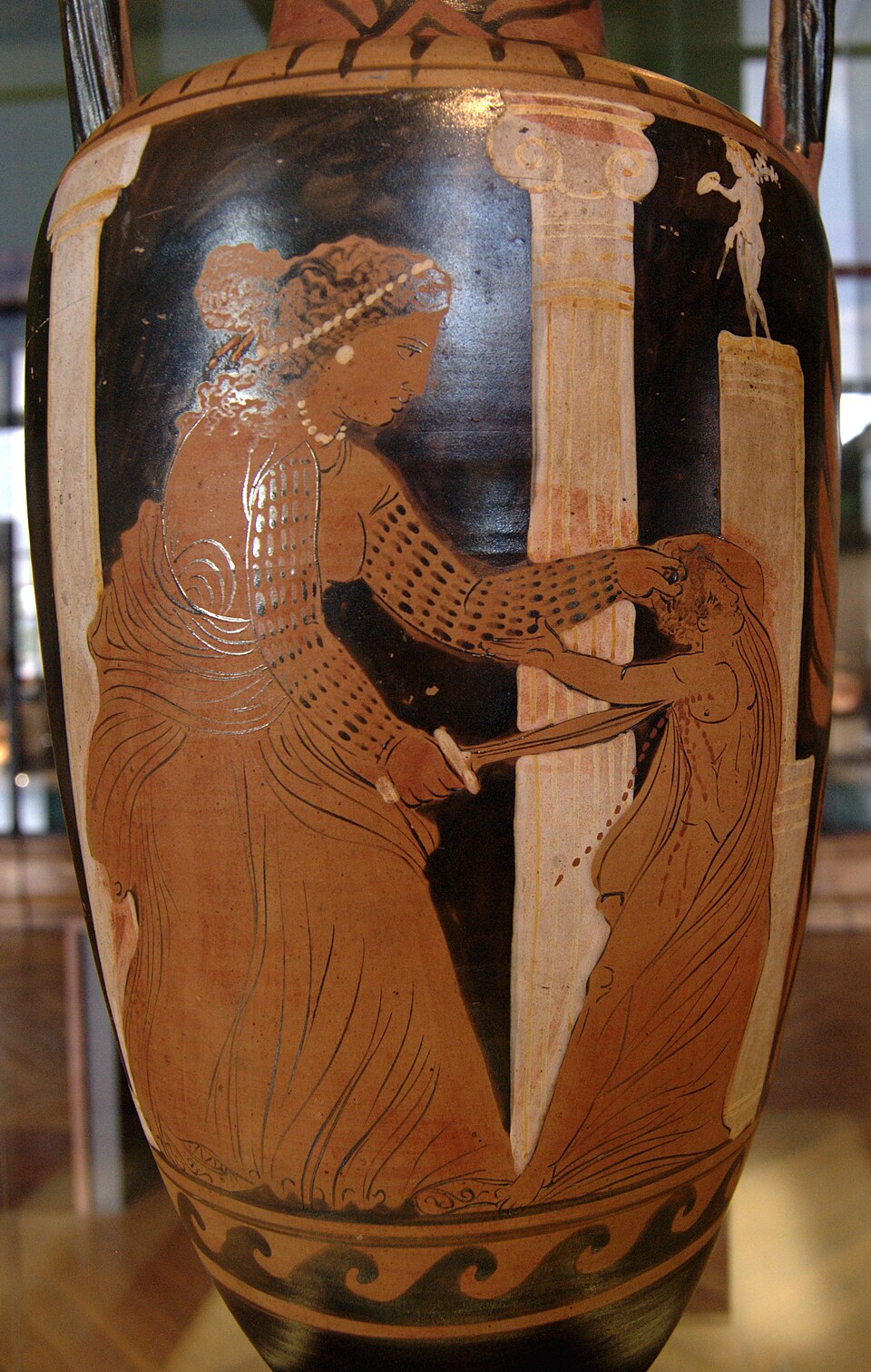
Luigi Cherubini, Médée
Agamemnon’s brutal murder of Iphigenia wasn’t the only act of filicide to inspire an opera. Cherubini’s Médée, based upon Euripides’ play, recounts the tragedy of Medea and Jason, the lover who spurns her. A niece of the witch Circe, Medea aided Jason and his Argonauts in their quest to steal the Golden Fleece, betraying her own family in the process. In her Act 1 aria “Vous voyez de vos fils la mère infortunée,” she berates Jason for leaving her after everything she’s done for him (including bearing him two sons). Amidst the aria’s slow, stately tempo, restless violins evoke the fury and betrayal in Medea’s words.
Médée received lukewarm reviews at its 1797 premiere, and for much of the 18th century it went unperformed. Nonetheless, in his lifetime Cherubini was regarded as one of the greatest living composers by the likes of Rossini and Beethoven (scholars have even noted the influence of Médée on the “Pathétique” Sonata). In the 1950s, legendary soprano Maria Callas ushered in a revival of the opera with her fiery portrayal of the spurned queen, bringing Cherubini to new generations of audiences.
Alexander Scriabin, Prometheus: The Poem of Fire
Ludwig van Beethoven’s overture to The Creatures of Prometheus remains a popular opener for many orchestra concerts, but it is far from the only work of art about the famed Titan. Prometheus, who stole Zeus’s fire and gave it to humanity, has come to symbolize everything from freedom from tyranny to the creative spark of the human spirit itself. In 1993, Claudio Abbado led the Berlin Philharmonic in Prometeo, an unusual and fascinating concert exploring some of the brilliant musical interpretations of this ancient myth.
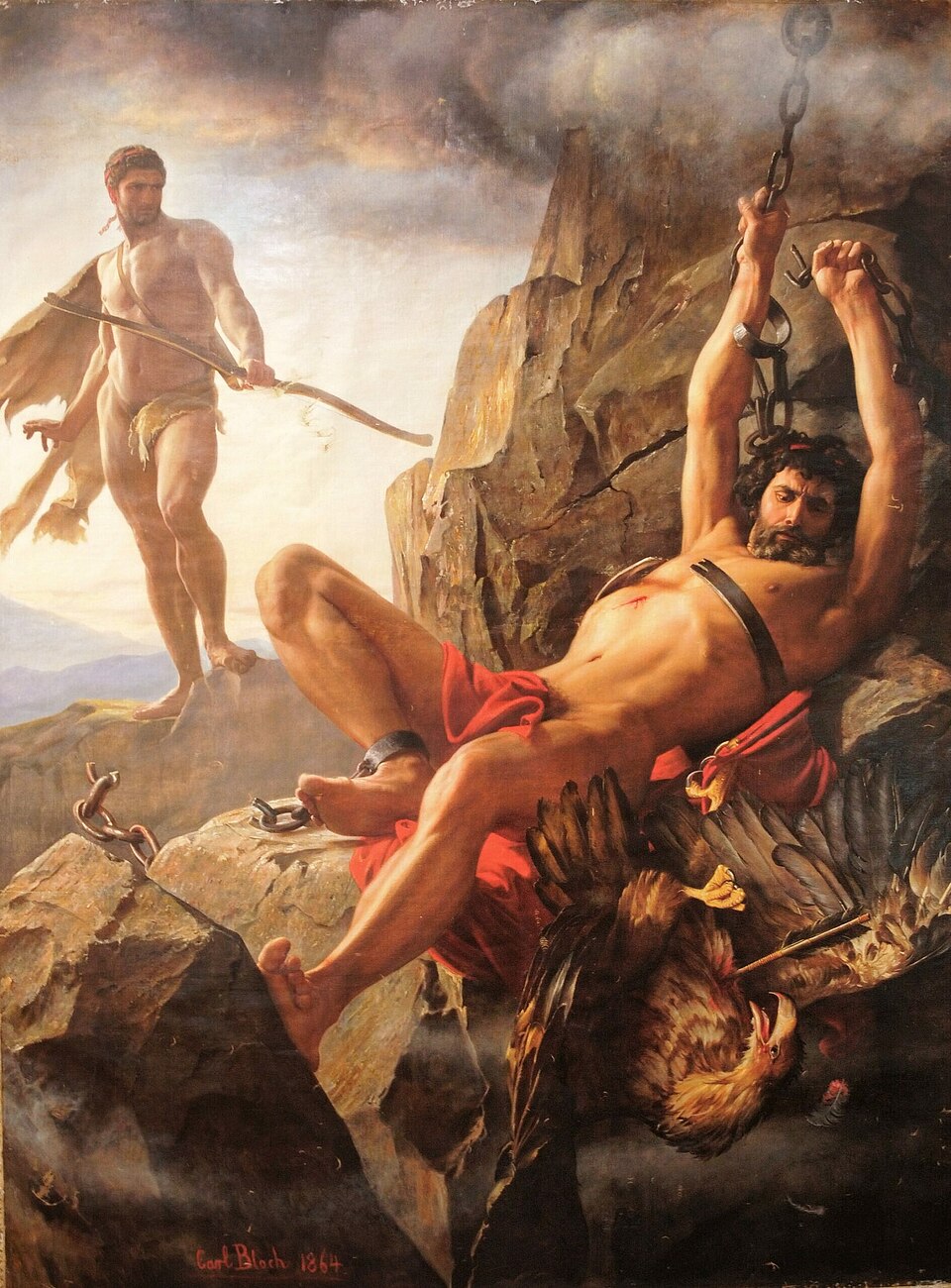
The strangest piece on that program is undoubtedly Prometheus: The Poem of Fire, a tone poem by modernist Russian composer Alexander Scriabin. Written in 1910, Prometheus reflects Scriabin’s highly individual and fiercely dissonant late style. He composed the single-movement work as a means of exploring theosophic themes like will, reason, and the cosmic creative force. Its massive orchestration includes a chorus, solo piano and celesta, and an unusual invention called the clavier à lumières. Scriabin designed a “keyboard with lights” to tie key signatures and chords to particular colors.

Claude Debussy, Prélude à l’Après-midi d’un faune
Debussy completed his symphonic poem Prélude à l’Après-midi d’un faune in 1894. Nearly 20 years later Serge Diaghilev commissioned an adaptation for his fledgling company, the Ballets Russes. That adaptation became one of the most famous works commissioned by Diaghilev, due in part to its scandalous costumes and the lascivious choreography of Vaslav Nijinsky.
Debussy found inspiration in Symbolist poet Stéphane Mallarmé’s “L’après-midi d’un faune.” The music opens with a solo flute—evocative of Pan pipes—intoning an ambiguous chromatic line. Soft but dissonant harmonies heighten the sense of the titular faun’s languorous daydreaming. Twentieth-century composer and conductor Pierre Boulez heralded this music as the beginning of musical modernism, writing, “the flute of the faun brought new breath to the art of music.”
Reynaldo Hahn, À Chloris
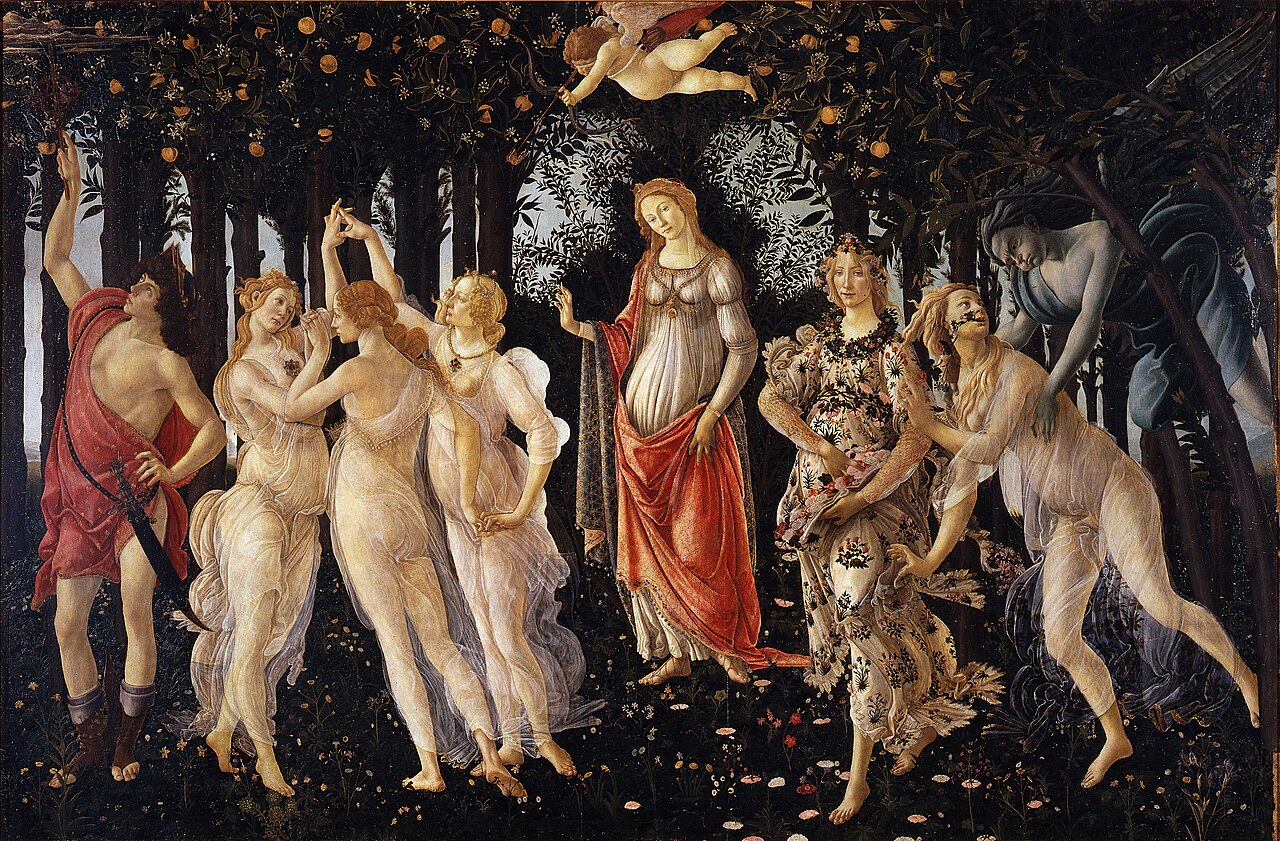
Reynaldo Hahn gained admission to the famed Paris Conservatoire at 11 years old. He counted Maurice Ravel among his classmates; Jules Massenet, one of his composition instructors, became a lifelong mentor. Though he composed in a variety of genres—including opera, symphony, ballet, and even a pair of film scores—today he is most known for his piano miniatures and his roughly 100 songs. Among the most famous of these mélodie is “À Chloris,” an ode to the Greek nymph associated with spring and rebirth.
The song, published during the First World War, is a new-Baroque pastiche. Its gently undulating accompaniment and languid vocal line nod to earlier tributes to nature such as Handel’s “Ombra mai fu.” Hahn set the text of an early 17th-century French poet and borrowed the bassline of Johann Sebastian Bach’s “Air on the G String.” The narrator of the poem is unknown, though it could possibly be Zephyrus, the god of the west wind, who abducts and later marries Chloris.
Thousands of years later, it’s no surprise that these legends have retained their power. Exciting battles, terrifying monsters, and adventures in distant lands; what’s not to like? But most importantly, these are deeply human stories where even the greatest among us can be doomed by tragedy. Music can add a unique and powerful element to these myths, from elevating onstage drama or creating an entirely new perspective on these stories through instruments alone. Like the Sirens’ song, these ancient tales and the music they inspire continue to bewitch us.
