
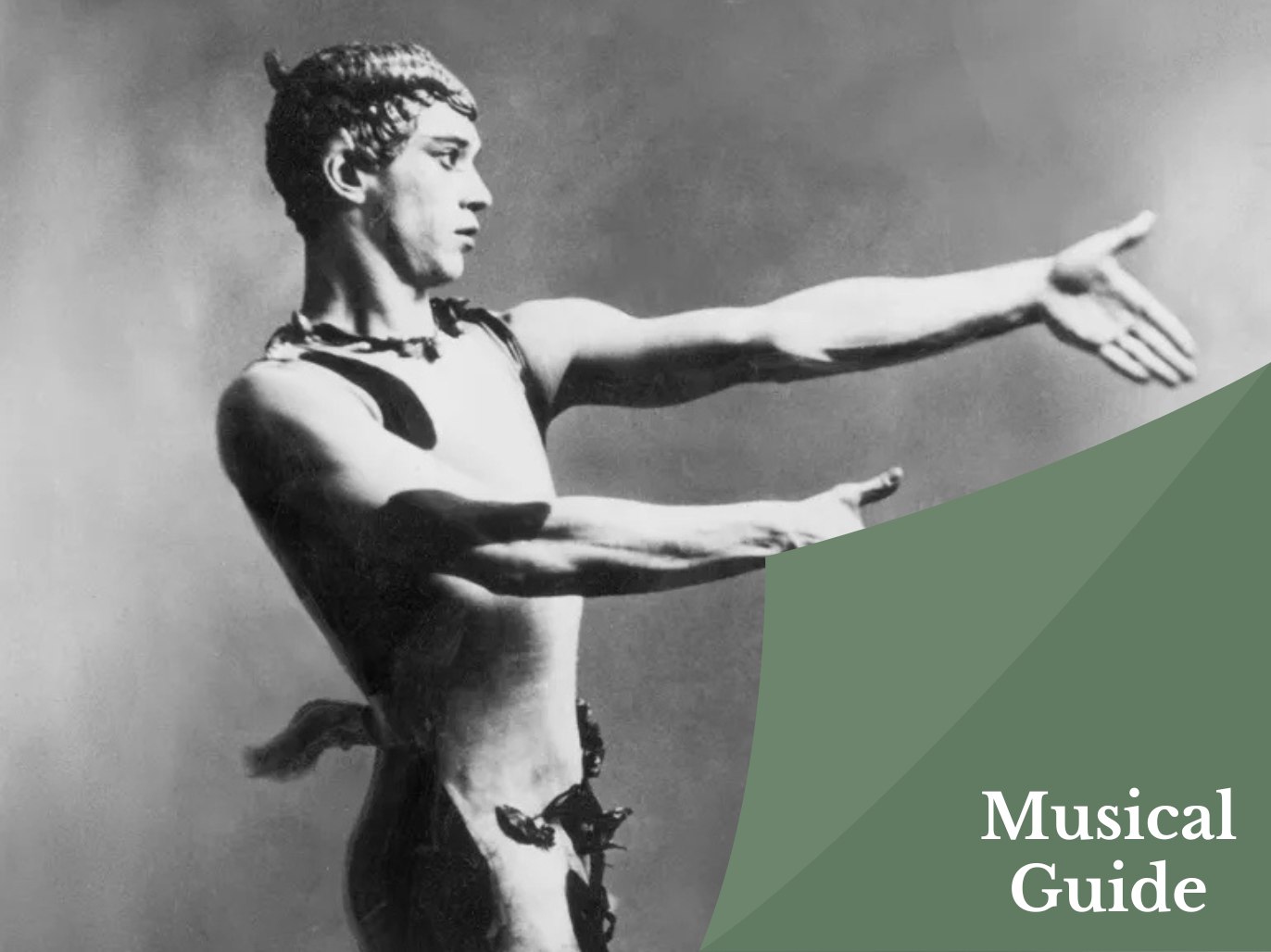
The dreamy afternoon of an amorous faun. A spring day brutally interrupted by pagan ritual sacrifice. The infernal dance of a legendary firebird. Thanks to the Ballets Russes, these are but a few of the scenes that have become a part of the core dance repertoire. From 1909 until its dissolution two decades later, the Ballets Russes recruited a who’s who of the early 20th century avant-garde. Composers including Claude Debussy, Sergei Prokofiev, Igor Stravinsky, and Maurice Ravel created groundbreaking collaborations alongside the greatest visual artists and choreographers of the age, from Picasso and Matisse to Massine and Balanchine.
View author's page
Reading time estimated : 12 min
The Burgeoning Impresario
The father of the Ballets Russes was a Russian impresario named Sergei (Serge) Diaghilev. Born in a village near Saint Petersburg, he was raised in an artistic home that included a family friendship with the composer Modest Mussorgsky. Serge himself had early aspirations of becoming a composer, though these were dashed by his teacher, Nikolai Rimsky-Korsakov, who encouraged him to pursue a different career. In his student years Diaghilev joined a collective of art enthusiasts who fanned the flames of his obsession with Russian art; two of the group’s members, Alexandre Benois and Léon Bakst, later became core designers for the Ballets Russes. By the turn of the century Diaghilev had begun hosting exhibitions of Russian art in Saint Petersburg and Moscow.
In 1906 he and Bakst presented Two Centuries of Russian Art and Sculpture at the Salon d’Automne in Paris. The exhibition’s success led Diaghilev to organize a series of “Concerts historiques russes” the following year, and within the decade he had produced the first of what was initially called the “Saison Russe.” Belle époque Paris, a hotbed of Russophilia and playground of the Russian elite, was the perfect launch pad for the young impresario.
The Ballets Russes
Le Pavillon d’Armide, Diaghilev’s first ballet, opened in Paris in May 1909. The inaugural season consisted almost entirely of pre-existing works by Russian composers including Tchaikovsky, Glinka, and Rimsky-Korsakov. Though the first season was a triumph, critics clamored for something new: new music, new stories, new sets and costumes. The consummate showman, Diaghilev gave the public what they wanted.
A year later the Ballets Russes premiered its first original ballet, a fledgling attempt by an obscure Russian composer named Igor Stravinsky: The Firebird. The dazzling combination of Stravinsky’s modern harmonies and irregular rhythms and Bakst’s Orientalist visuals were a hit: the ballet, Stravinsky’s first, made him an overnight celebrity in Paris.
For two decades the Ballets Russes persevered, touring Europe and the Americas with a parade of avant-garde productions. Despite a world war, constant financial woes, and typical behind-the-scenes drama (to name just one incident, Diaghilev fired and then rehired his former lover, dancer and choreographer Vaslav Nijinsky, after Nijinsky eloped with a woman), Diaghilev held the company together until his death in 1929. His combination of business savvy, gladhanding, and even bullying earned him the nickname “the Napoleon of the arts.”
The Composers
For his early ballets, Diaghilev programmed old ballets and cobbled together new ones from the works of dead composers (the first two seasons included Adam’s Giselle and an arrangement of Robert Schumann’s Carnaval, among other things). But he soon turned to Europe’s most promising avant-garde composers, commissioning works from both established artists and talented up-and-comers.
Erik Satie
The iconoclastic modernist Erik Satie composed Parade, his sole commission for the Ballets Russes, following an introduction by Renaissance man Jean Cocteau. Cocteau’s libretto tells the story of a troupe of street artists who dance in front of a crowd of onlookers in an attempt to attract an audience for their show. Satie’s raucous score includes ragtime rhythms and the sounds of gunshots, a ship siren, and an airplane engine, a soundscape utterly different from his tranquil set of Gymnopédies.
Parade, which premiered in 1917, also marked the first of six collaborations between Diaghilev and Pablo Picasso, who designed the set, costumes, and curtain. His outrageous Cubist costumes clashed with the neoclassical stage curtain, ensuring that the production would be a true succès de scandale. Though Parade has been overshadowed by other Ballets Russes productions like The Rite of Spring, Diaghilev referred to it as “my best bottle of wine. I do not like to open it too often.”
Francis Poulenc
Les biches, Poulenc’s first complete ballet, provided the young composer with one of his early successes. Despite its lack of narrative it remains one of his most popular works. Bronislava Nijinska, Nijinsky’s sister, choreographed the ballet and danced its central role. Poulenc called his score for Les biches “sturdy and classical,” drawing from diverse sources such as Baroque dance and Scott Joplin.
Richard Strauss
Many are surprised to learn that Richard Strauss, the great German composer most known for his tone poems and operas, wrote three ballets. The first of these was a commission for the Ballets Russes entitled The Legend of Joseph. Hugo von Hofmannsthal, Strauss’s longtime librettist for some of his greatest operas (like Elektra and Der Rosenkavalier), penned the scenario based on the biblical dream interpreter Joseph.
Strauss conducted the first performances of the ballet in May and June 1914. Just days after its London premiere the Archduke Franz Ferdinand was assassinated in Sarajevo, sparking the First World War. Because of the war, Strauss was never paid for his work. Though The Legend of Joseph remains largely overlooked, its unusual orchestration is pure Strauss. The score calls for a wind machine (famously employed by Strauss in his tone poems Don Quixote and An Alpine Symphony), a heckelphone (a sort of a bass oboe), celesta, organ, and not one but four harps.
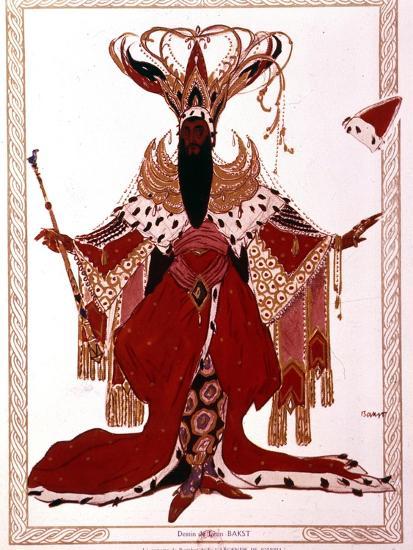
Manuel de Falla
Igor Stravinsky introduced Diaghilev to Manuel de Falla during the Ballet’s first tour of Spain in 1916. De Falla, one of the greatest Spanish composers of the twentieth century, agreed to compose a new work for the troupe. The Three-Cornered Hat premiered three years later. This farcical two-act ballet follows a lecherous magistrate in his attempts to seduce the faithful wife of a miller.
De Falla turned to Andalusian folk music, including flamenco, to bring the story to life. Castanets, cries of “Olé!,” and flamenco singing in the opening bars immediately evoke the sunny south of Spain. The sets and costumes, designed by Picasso, and Léonide Massine’s choreography also drew inspiration from the Iberian Peninsula. Picasso’s mammoth curtain depicts the aftermath of a bullfight, while Diaghilev and Massine embarked upon a second tour of Spain to study the country’s various dance traditions.
Maurice Ravel
During his conservatory years, Ravel and a group of friends formed a collective of avant-garde artists called “Les Apaches.” Self-styled artistic outcasts—Stravinsky was briefly a member—these young mavericks were united in their passion for folksong, Asian visual art, and Russian music. Given Ravel’s iconoclastic youth, friendship with Stravinsky, and love of Eastern art, a collaboration with the Ballets Russes seemed inevitable.
His ballet Daphnis et Chloé premiered in June 1912 at the end of the Ballet’s third season. Choreographer Michel Fokine adapted the scenario from an ancient Greek pastoral, the love story of the goatherd Daphnis and the shepherdess Chloé. Nijinsky, who danced Daphnis, had premiered the title role in L’Après-midi d’un faune a week earlier (talk about a goated season).
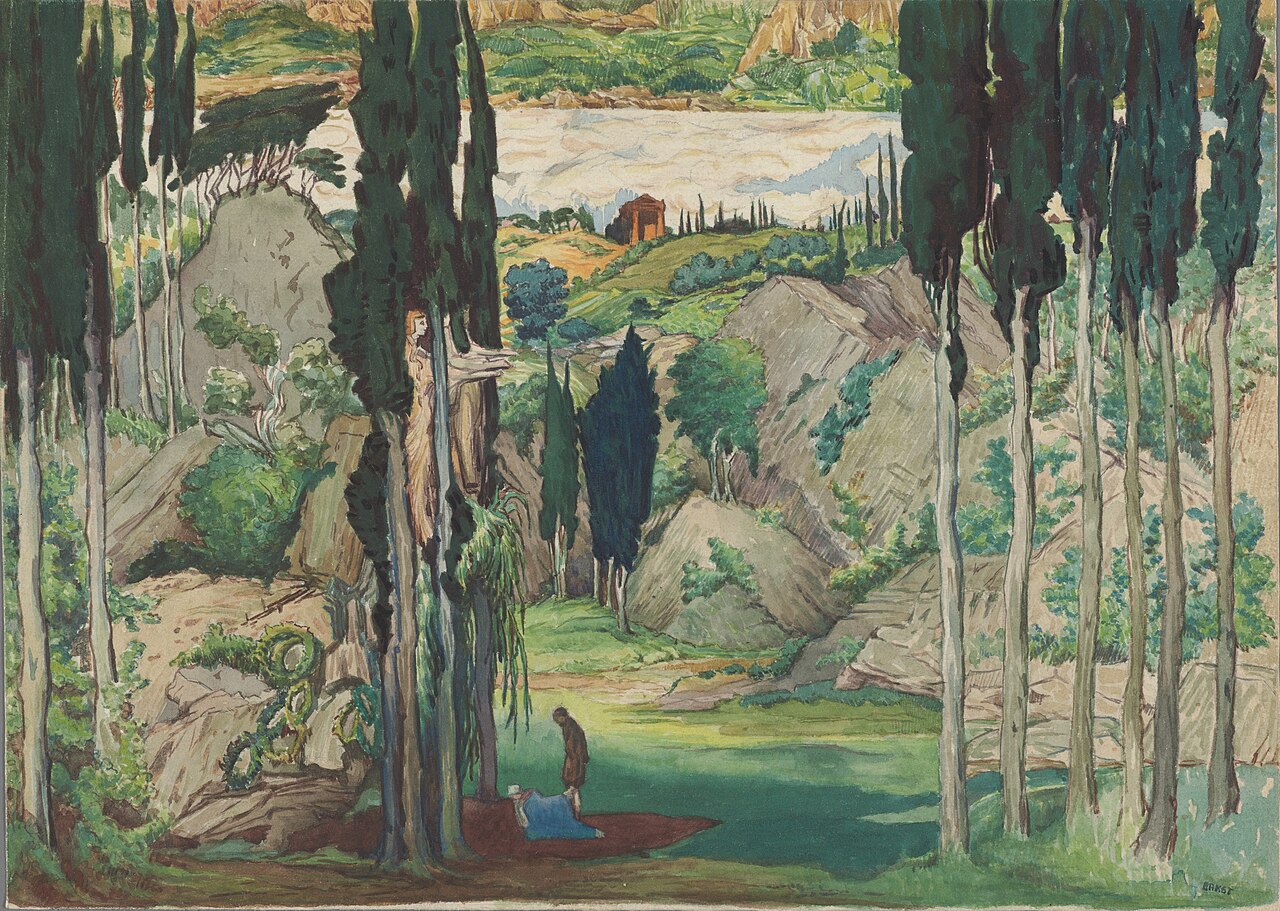
Daphnis et Chloé is Ravel’s longest work and one of the handful of pieces he composed specifically for orchestra. Ravel’s brilliant, rhythmically inventive writing for large orchestra and the inclusion of a wordless chorus—a technique he borrowed from Debussy’s Nocturnes—cemented his reputation as a master of tone color. Stravinsky called Daphnis “one of the most beautiful products in all of French music,” and it is widely recognized as Ravel’s orchestral masterpiece.
After World War I, Diaghilev approached Ravel for a second commission. In this new ballet Ravel hoped to pay tribute to “Waltz King” Johann Strauss II and what he called “the joy of life expressed through dance.” Unfortunately Diaghilev rejected the piece, supposedly calling it a “masterpiece” but “not a ballet.” Ravel was so offended by the criticism that he took the ballet to a company in Belgium; his relationship with Diaghilev never recovered. That work, La valse, has taken on new life as a concert work.
Claude Debussy
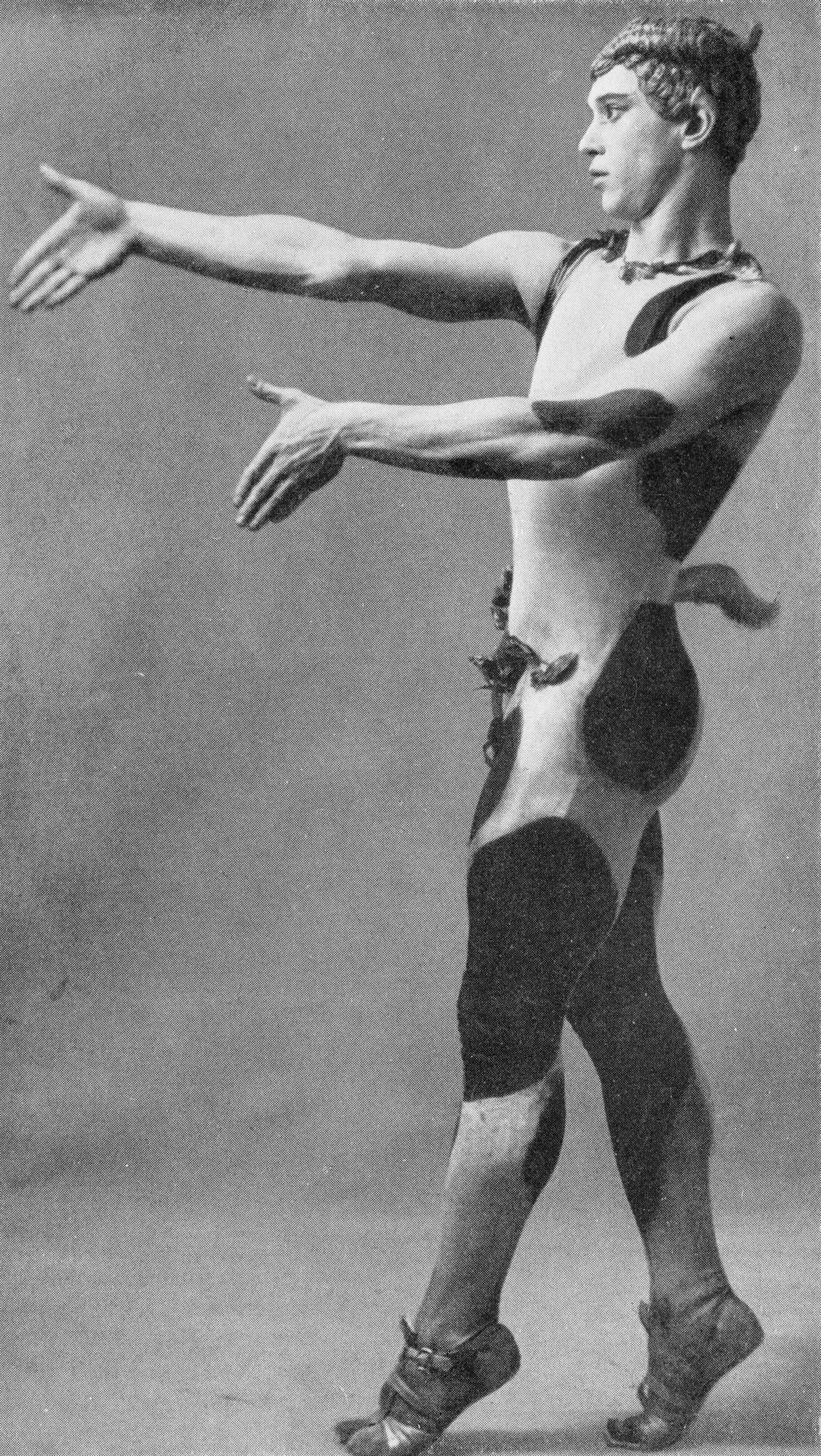

Unlike many of the Ballets Russes’ seminal premieres, Debussy’s most famous collaboration with Diaghilev was not a new piece of music. Debussy had composed the symphonic poem Prélude à l’après-midi d’un faune nearly two decades before Nijinsky brought the titular creature to life. Pierre Boulez, a leading figure of the post-war avant-garde, called Debussy’s score the beginning of modern music: “the flute of the faun brought new breath to the art of music.”
Bakst’s scandalous, form-fitting costumes and Nijinsky’s lascivious, angular movement ensured Faune was the talk of Paris. Debussy, however, was less pleased, feeling that the stylized choreography failed to capture the languorous spirit of his music.
Later that year, Diaghilev and Nijinsky approached Debussy with a commission for a brand-new ballet called Jeux. Its scenario concerns a young man and two girls in a garden at dusk. The trio plays hide and seek while searching for a lost tennis ball before disappearing into the darkest reaches of the garden. Debussy’s innovative score for Jeux captures both the mysteries of the night and the erotic charge between the trio of dancers. Slow, atmospheric passages alternate with sections thrumming with playful energy. This late masterpiece illustrates the composer’s precise approach to orchestral color: in one moment, woodwind soloists volley melodic fragments; in another, Debussy contrasts the percussive sounds of xylophone, violin pizzicato, and flute trills.
Igor Stravinsky
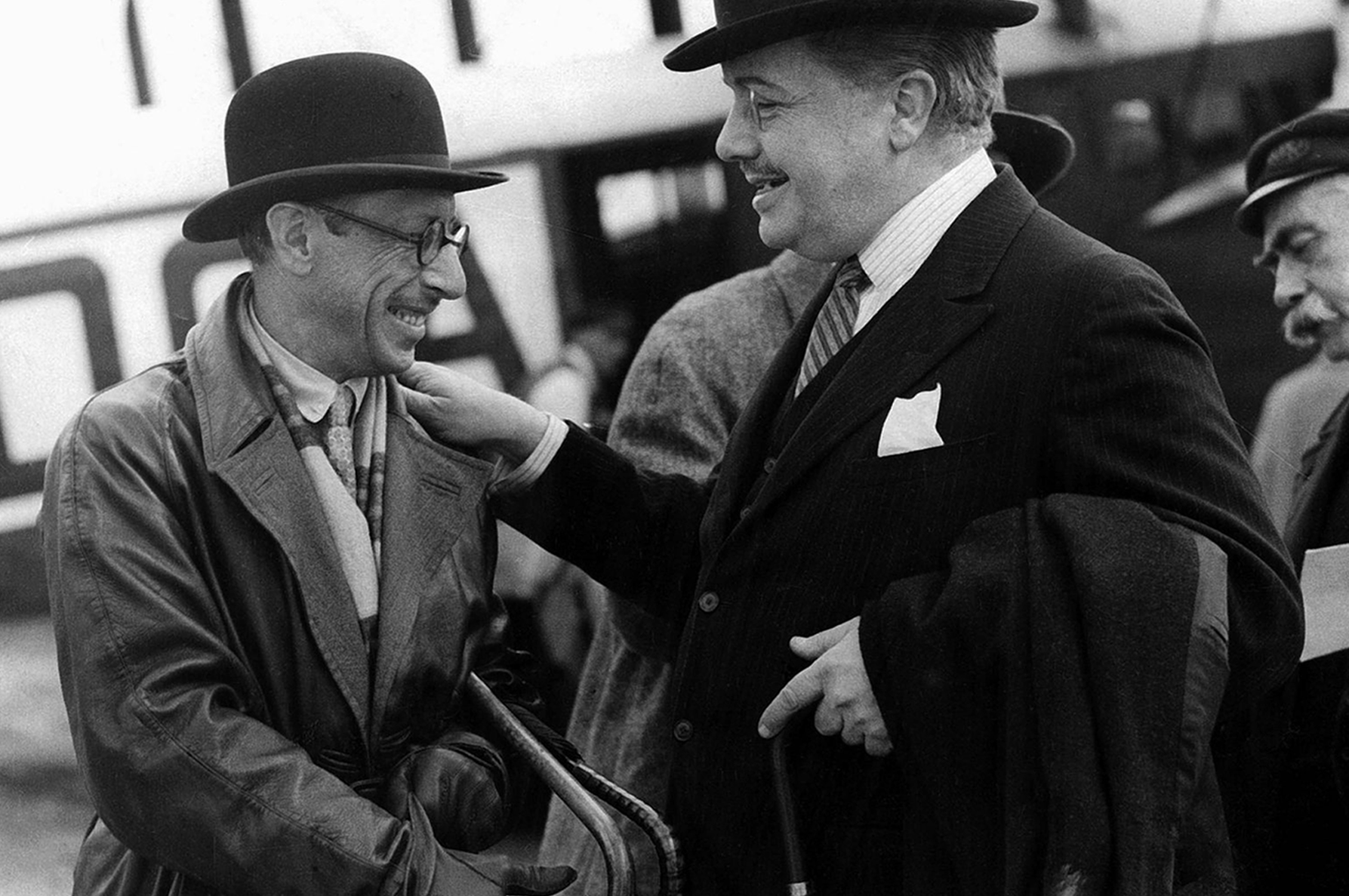
No composer is more closely associated with Diaghilev and the Ballets Russes than Igor Stravinsky. Throughout the company’s twenty-year existence he collaborated on more than a dozen works including operas and ballets. Diaghilev made Stravinsky famous, plucking him from relative obscurity in Saint Petersburg and commissioning what would become The Firebird. Petrushka followed a year later, yet it was Stravinsky’s third ballet that immortalized his legacy as one of the most important musical modernists.
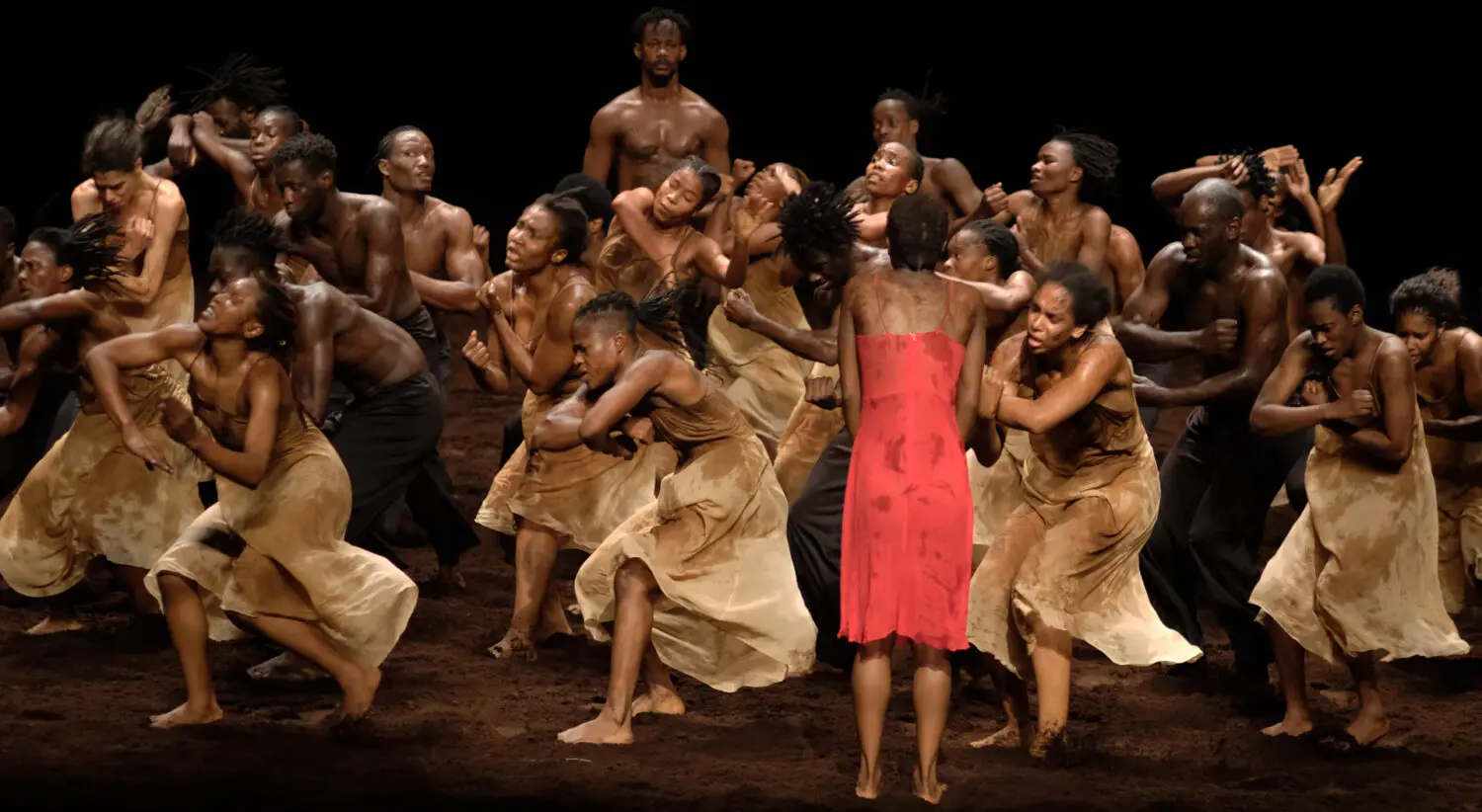
When it premiered in 1913, The Rite of Spring was something of a flop. Audiences were baffled by its aggressively angular choreography and modern costumes. A vocal group of detractors caused such a commotion during the first act that several of them were arrested. In the ensuing century, the idea that The Rite incited a riot has become central to its mythos, yet the impact of Stravinsky’s music is undeniable. Leonard Bernstein called it “the most important piece of music of the 20th century.” Over 200 versions of The Rite of Spring have been choreographed, ensuring its continued place among the modern repertoire.
Stravinsky’s later collaborations with the Ballets Russes are less celebrated but still important. Pulcinella, his ode to the commedia dell’arte tradition, instigated Stravinsky’s 30-year period of neoclassicism; this, in turn, influenced a generation of French composers including Darius Milhaud and Poulenc, as well as the renowned composition teacher Nadia Boulanger. One of Stravinsky’s final commissions for the Ballets Russes, the ballet Apollo, found him working alongside choreographer George Balanchine. This meeting of minds resulted in a decades-long collaboration; together, Stravinsky and Balanchine steered the course of ballet over the 20th century.
Conclusion: Impact And Legacy Of The Ballets Russes
Serge Diaghilev and his Ballets Russes became one of the most important nexuses of 20th century art. He launched the careers of numerous artists including Stravinsky and Nijinsky, and his ballets created space for avant-garde artists to experiment and play.
Coco Chanel’s sporty chic designs for Le train bleu exemplified her approach to clothing the “modern woman.”

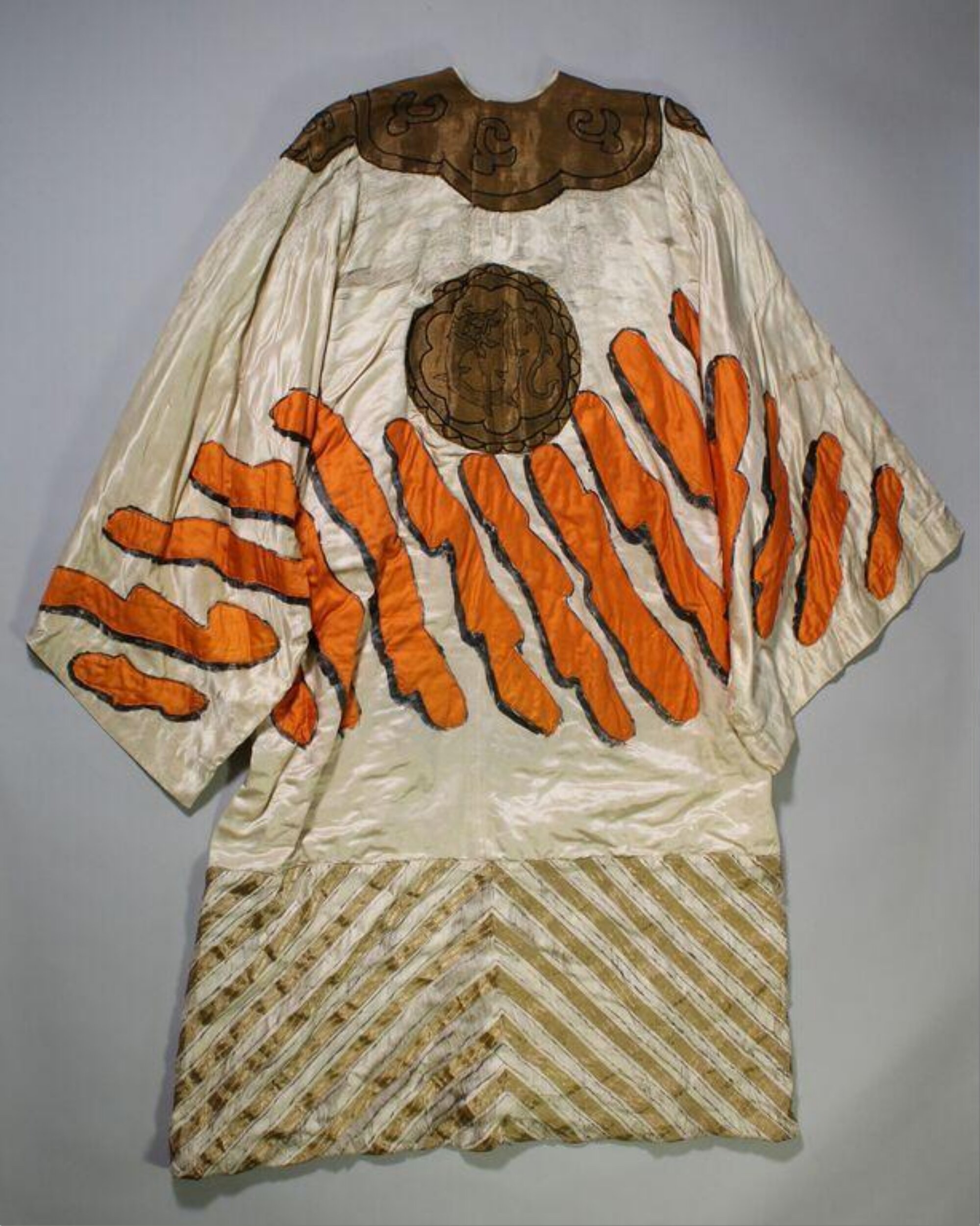
Henri Matisse experimented with cutout designs in the Stravinsky ballet Le chant de Rossignol. Decades later, Matisse returned to this technique when ill health prevented him from painting.
The patterns on the costume foreshadow his later work with cutouts.
Following the dissolution of the Ballets Russes, George Balanchine moved to America, where he co-founded the New York City Ballet, one of the world’s foremost dance companies.
To this day, many of the Ballets Russes’ vanguard works remain in the repertoire: Les biches, Parade, L’Après-midi d’un Faune, and of course the masterworks of Stravinsky. Diaghilev saw the untapped potential in a generation of artists and pulled diamonds from the rough. “A new, marvelous, and totally unknown world was revealed,” raved one critic after attending a performance. Thanks to the “Barnum of ballet” and his tenacious company, the world of art has never been the same.
