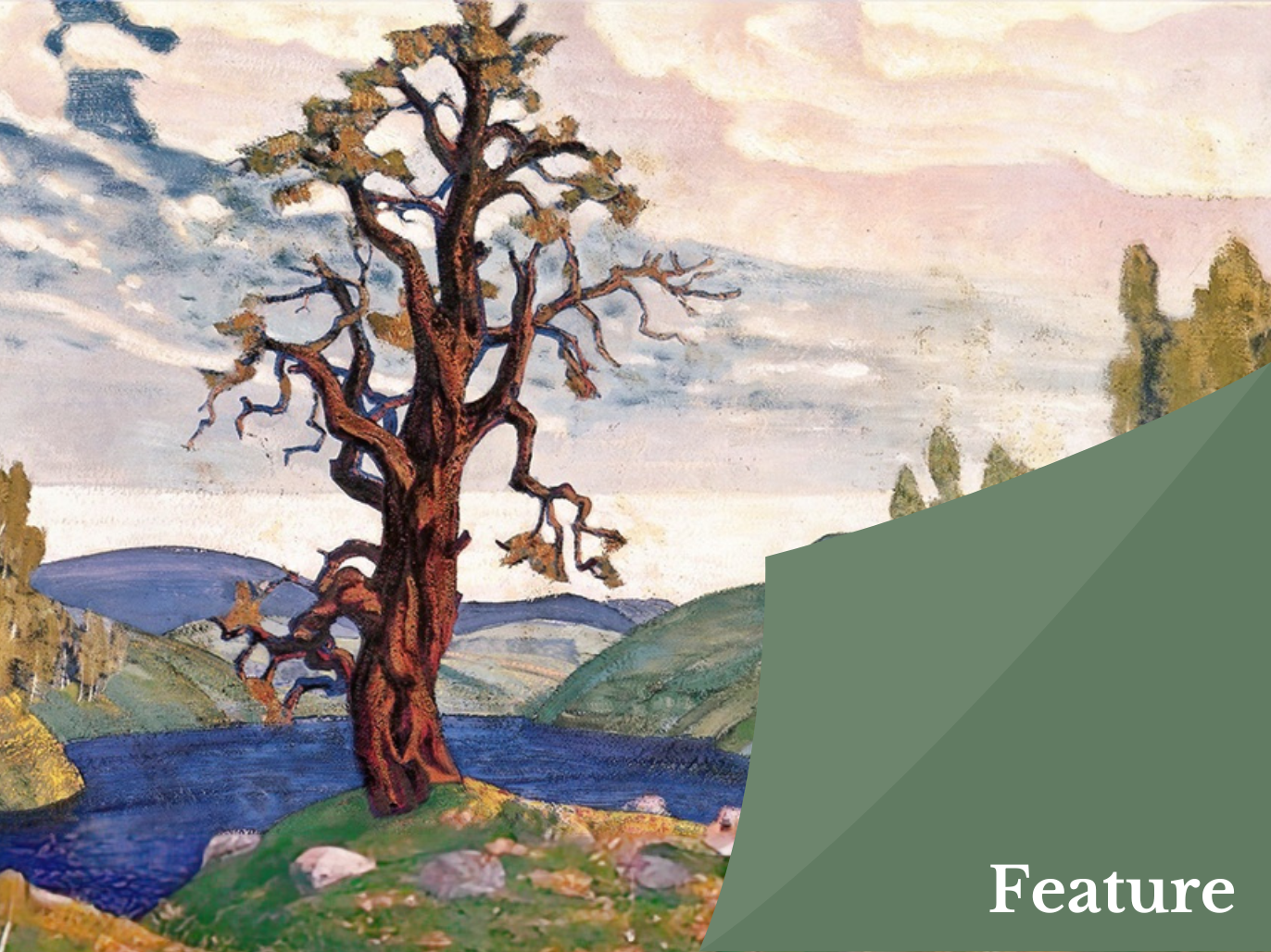
In Buenos Aires, spring and autumn are transitional seasons; there is little sense of the pivotal significance we attach to them in Europe. But what do we actually attach to those seasons? Autumn is a season of almost pure aesthetics – the season to which it’s most easy to append colours and shades. Otto Respighi caught something of the season’s ambiguous beauty in his work Poema Autunnale for violin and orchestra, written in the mountains of Cavalese in the Val di Fiemme.
But Respighi’s work, as beautiful and deserving of more performances as it is, remains an outlier. It’s spring, not autumn that has delivered the most abundant harvest of stand-alone musical masterpieces.
Those spring-themed works by Schumann, Copland, Sibelius, Stravinsky, Rachmaninoff, Bridge, Britten, Delius and Steven Stucky are about more than a shift in the season (though if they do reference a shift in season at all, it tends to be about the darkness-to-light journey out of winter).
The sense, more, seems to be one of energy from opportunity – of the fire of creativity, the power of renewal, the bracing vigour of light or the pagan impulse of ‘all things fierce and fleet that roar and range’ (to quote Swinburne’s poem Atalanta in Calydon, the inspiration for Arnold Bax’s expressionistic symphony written in 1913, Spring Fire).