
When did the 20th century really begin in music? Wagner died in 1883, Verdi in 1901. Debussy’s Prélude à l’après-midi d’un faune dates from 1894. Schoenberg’s move into “atonality” is generally dated to around 1908, and Stravinsky’s The Rite of Spring premiered in 1913. Any of those events could stake a claim to have begun the complex, contradictory century with which we’re still struggling to get to grips today.
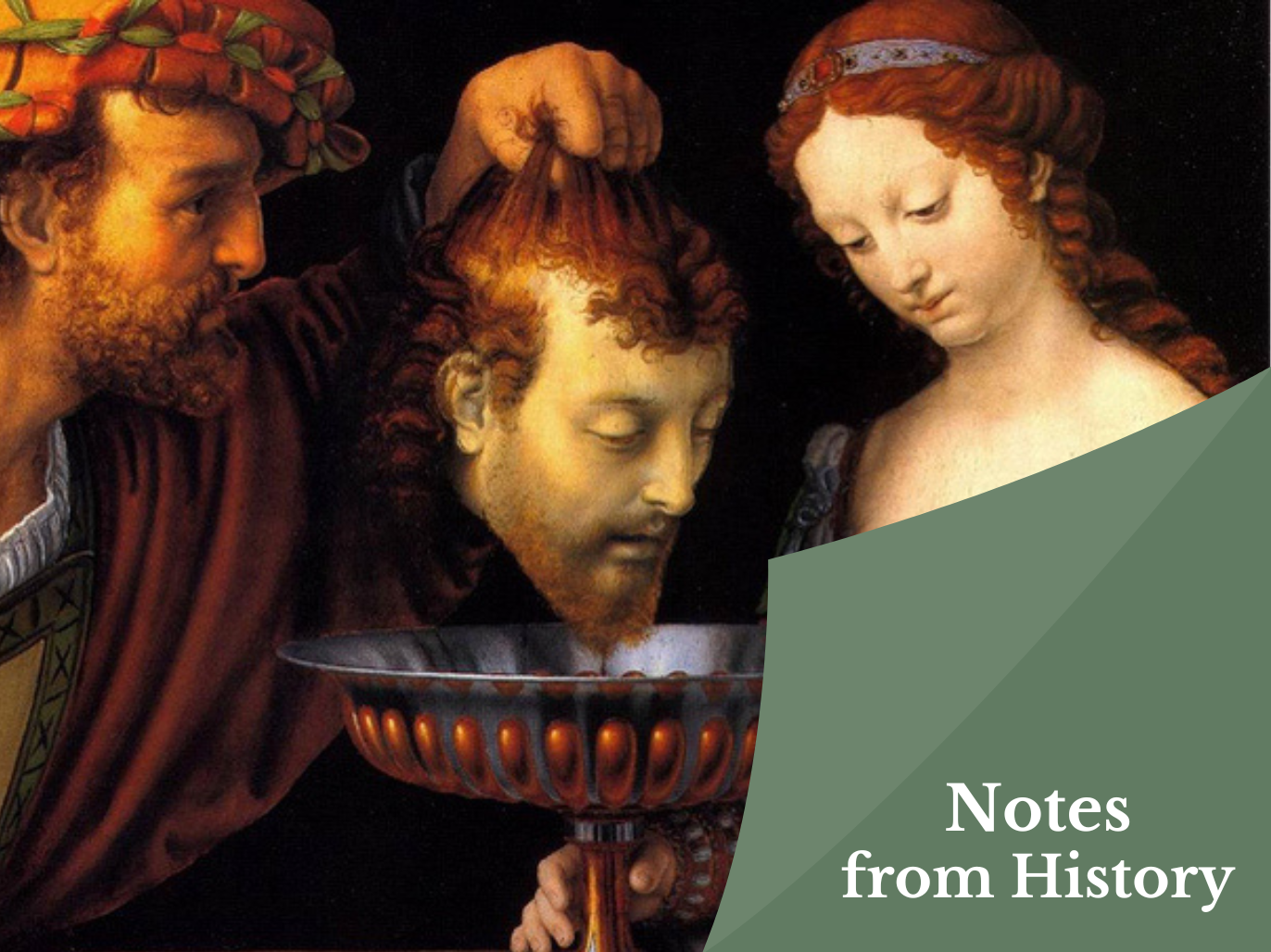
But Alex Ross begins his justly famous book The Rest is Noise, a chronicle of 20th-century music, by focusing on a work by Richard Strauss. Strauss’s opera Salome scandalized the musical world in 1905—and again in May 1906, when, as Ross vividly describes, the Austrian premiere in Graz drew together an astonishing array of musical luminaries, from Mahler to Schoenberg to Puccini. “Like a flash of lightning,” Ross writes, “it illuminated a musical world on the verge of traumatic change. Past and future were colliding; centuries were passing in the night.”
