
As medici.tv’s Chief Content Officer I spend a lot of time thinking about classical music—and a lot of time on the internet. Here’s my selection of the top five news items you need to see this week if you want to stay in the know.
View author's page
Reading time estimated : 4 min
John McWhorter: contemporary opera doesn’t need to challenge audiences (NYT)
In the wake of the international discussion about opera’s relevance among modern audiences that has absolutely taken over the internet in recent weeks, linguistics professor John McWhorter’s op ed in the NYT wonders why contemporary opera produces works that are “challenging” for modern audiences, rather than prioritizing “a musical language they can readily appreciate, recognize and enjoy. Memorable melodies and harmonies, arias that intuitively convey the feelings at the heart of a scene.”
The financial anatomy of the Boston Symphony Orchestra (Cadenza)
Much has been written about the Boston Symphony Orchestra following their polarizing decision to part ways with maestro Andris Nelsons, including descriptions of the ensemble as an institution in financial crisis and reports of a deep rift between orchestra members and administrators… Cadenza took a detailed look at the receipts—including 13 years of publicly available tax filings—to find that, financially, the orchestra is actually doing quite fine.
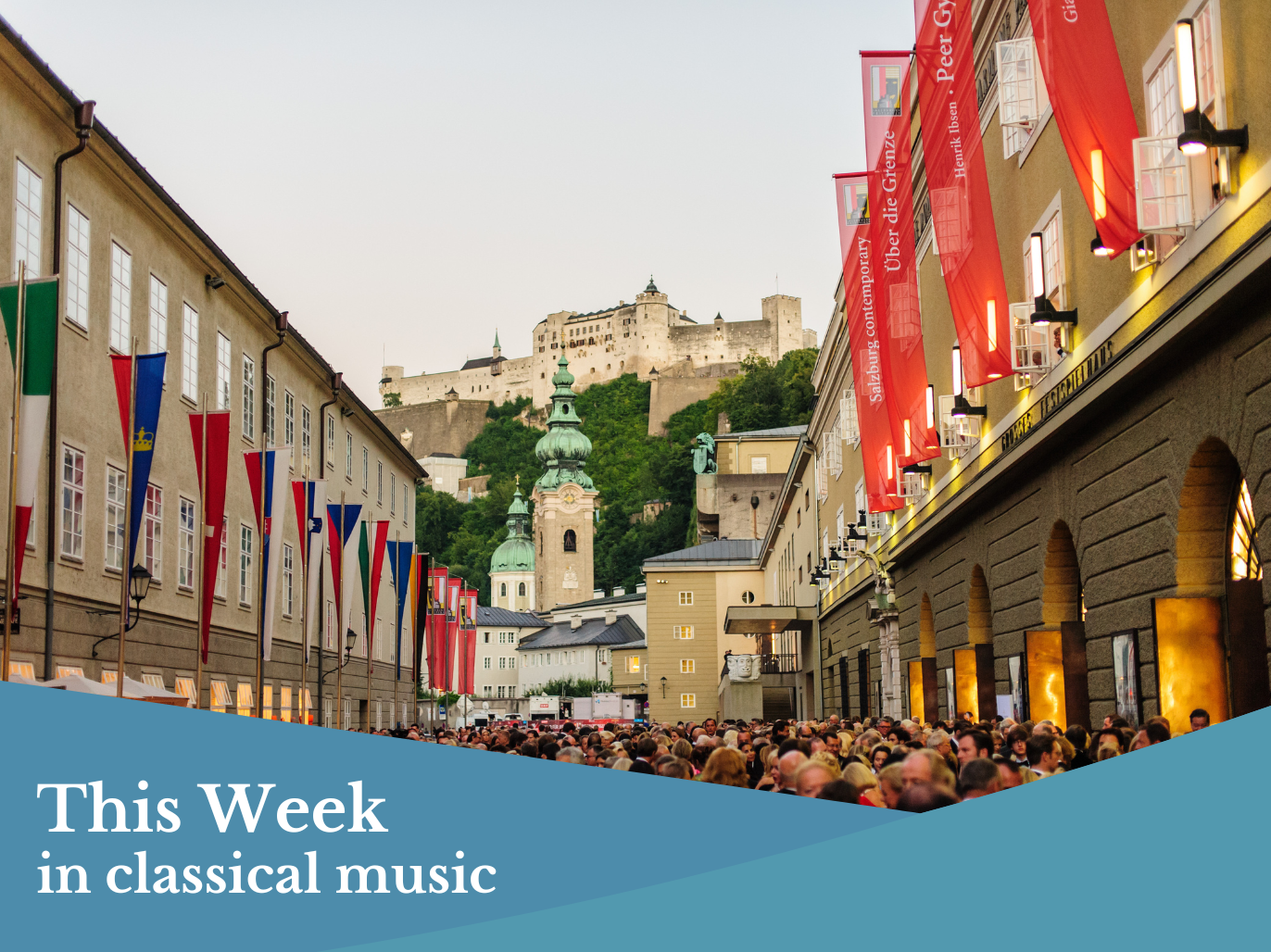
Markus Hinterhaüser no longer Artistic Director of the Salzburg Festival (NYT)
Just a few months ahead of the 2026 edition of the prestigious Salzburg Festival, Markus Hinterhaüser’s contract as Artistic Director was terminated, effective immediately, for “irreconcilable differences.” Hinterhaüser has been at the helm of classical music’s largest festival for over a decade and his contract was set to run through 2031. No official news yet as to who will take over the role, though Austrian media has reported rumors of several high-profile candidates allegedly in the running.
Davóne Tines on “capital O opera” (The Guardian)
“Davóne Tines may have the voice of an opera singer, but he talks like a philosopher.” The Guardian sat down with the celebrated bass-baritone, who is partway through a residency at London’s Barbican Centre, a few weeks ago, and as usual, it’s fascinating to hear his thoughts on “capital O opera,” intentionality, and his hopes for the future.
We were lucky enough to both stream his Recital No. 1: MASS program in Aspen last summer, and sit down with him ourselves to talk about it.
What the ballerinas are reading backstage
On Instagram, renowned ballerina Isabella Boyston takes us backstage to see what her colleagues are reading in the wings…
