From Oscars to Opera: 4 Opera Recommendations Inspired by 2025’s Best Picture Nominees

As the Oscars approach, this year’s Best Picture nominees explore timeless themes—family, tragedy, music, and resistance. Discover four operas that echo the drama and emotion of these acclaimed films.

View author's page

By Viviana Freyer

Reading time estimated : 12 min

The 2026 awards season is well underway, culminating with the 98th Academy Awards in March. I always get excited to watch the awards ceremony and see my favorite actors and filmmakers get recognized for so many years of hard work. 

Every year, Oscar viewers hold their breath until the end of the broadcast to find out which film won the Academy’s most esteemed award: Best Picture. Some years mark historic triumphs, others bring controversy, others bring some of live television’s most memorable blunders, but if I do say so myself, the 2025 season has had some spectacular films that would make worthy recipients of the Statue. 

I believe that a truly memorable work of art brings something new to the table while also blending universal themes to which we can all relate, and I often found myself sitting in the movie theater being reminded of operas that make me feel similar emotions and ask similar questions to what I was watching onscreen. 

From Norway to England, vampires to gods, here are 4 operas to listen to inspired by some of the 2025 Best Picture nominees.
Sentimental Value

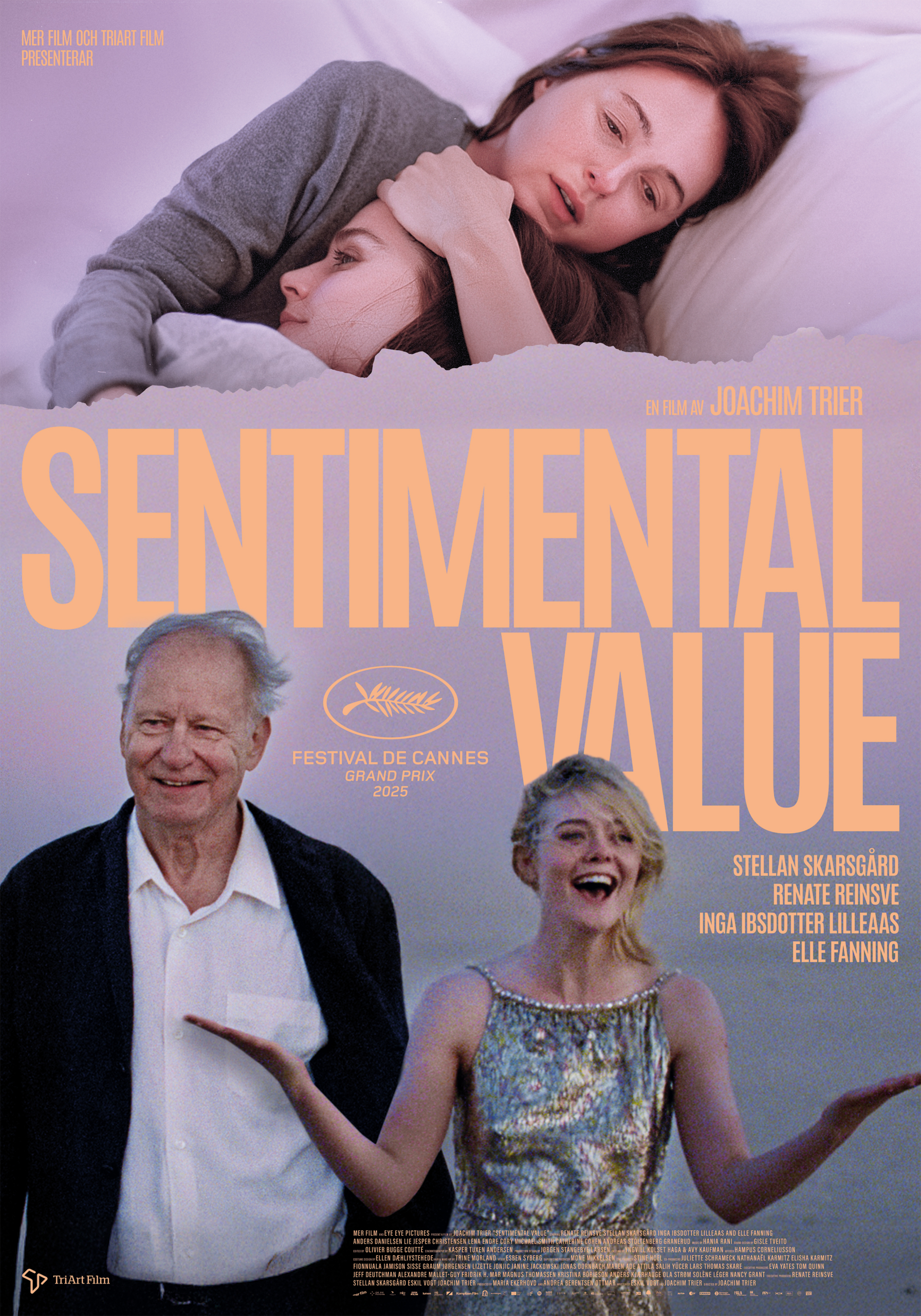
Come for the cozy Oslo cinematography, stay for the moving family bonds and meditation on what it means to be an artist. 

Sentimental Value follows sisters Nora and Agnes who spent their childhood feeling abandoned by their obsessive, movie director father Gustav. When Nora, a theater actress, turns down a part in a film her father wrote specifically for her, he casts a well-meaning American starlet who can’t quite grasp the complexities of the director’s desperate attempts to reconnect with his children. It threads the needle between intimate and universal by drawing out these unique characters with such detail and care that we all see a bit of ourselves in this father/daughters trio trying to put themselves together again. If you are drawn to stories about dysfunctional families where the children struggle with a seemingly impenetrable patriarch, then you should check out…

Richard Wagner’s Die Walküre

If you can’t get enough of Nordic fiction, then Wagner’s epic is waiting for you. Sure, Wagner might have been German, but The Ring Cycle takes us back to Square One and gives us an all-consuming course on Norse mythology. Sentimental Value evokes the moody melancholy that we hear in the works of the Scandinavian greats like Grieg or Sibelius, but thematically, we are working with Wagner. 

Wagner is far from restrained, but when you strip down Die Walkure to its fundamental thematic elements, it is also a story about family. (Except at the center of this story is a brother and a sister, and admittedly they’ve got a much weirder thing going on than Nora and Agnes from Sentimental Value.) The nature of their relationship drives the opera and conflicts of their father and sisters in Valhalla. The emotional centerpiece of the work also comes in the form of a rocky father-daughter relationship, with “Wotan’s Farewell” being one of the most quietly devastatingーnot to mention consequentialーmoments in the entire Ring Cycle. 

Hamnet

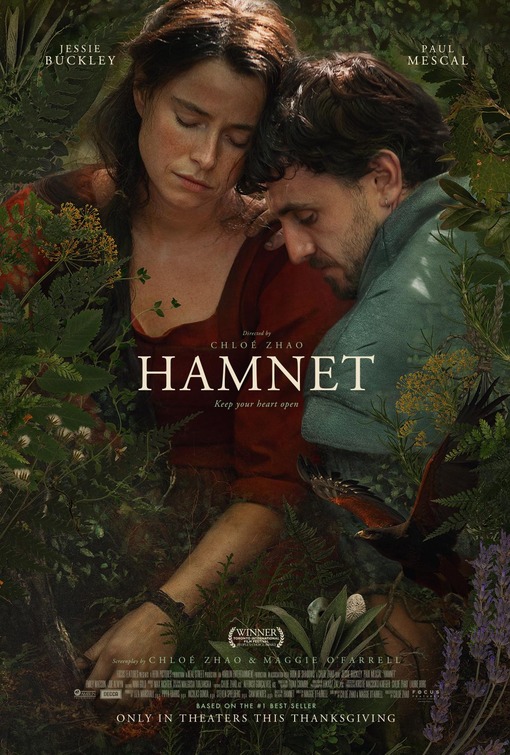
The designated tearjerker out of this year’s Best Picture bunch, Hamnet is based on Maggie O’Farrell’s bestselling novel of the same name and reimagines the origins of the Bard’s most enigmatic tragedy. Featuring music by Max Richter, Hamnet tells the story of Shakespeare’s Agnes, a strong-willed healer devoted to her three children. When their young son Hamnet succumbs to the Plague, Agnes’s world falls apart, while her husband takes his grief to the stage. To call Hamnet sad is an understatement, but it’s more than just a tragedy; viewers also get an immersive historical drama with a strong, often misunderstood female character as the driving force behind the intrigue. So, if you’re still itching for period pieces set in England that breathe new life into the women of the past, look no further than…

Gaetano Donizetti’s Anna Bolena

From Verdi to Prokofiev, countless composers have taken inspiration from the Shakespearean repertoire, but what strikes viewers about Hamnet are the humans behind the history, and the same can be said for this reimagining of the last days in the life of Anne Boleyn. The former Queen of England and mother of Queen Elizabeth I (who would go on to be one of William Shakespeare’s strongest supporters) has long captivated the public due to her tragic fate, and while Donizetti may not rewrite history, he humanizes the young woman we all know as having suffered at the hands of her husband. Even when she is held prisoner, Donizetti’s music and Felice Romani’s libretto show us Anna’s unwavering spirit and kindness amidst the corruption of the court. Both Anne Boleyn and Agnes Shakespeare are known to history mostly as wives and mothers, but Hamnet and Anna Bolena use imagination and creativity to give these historical figures a chance to shine on their own. 

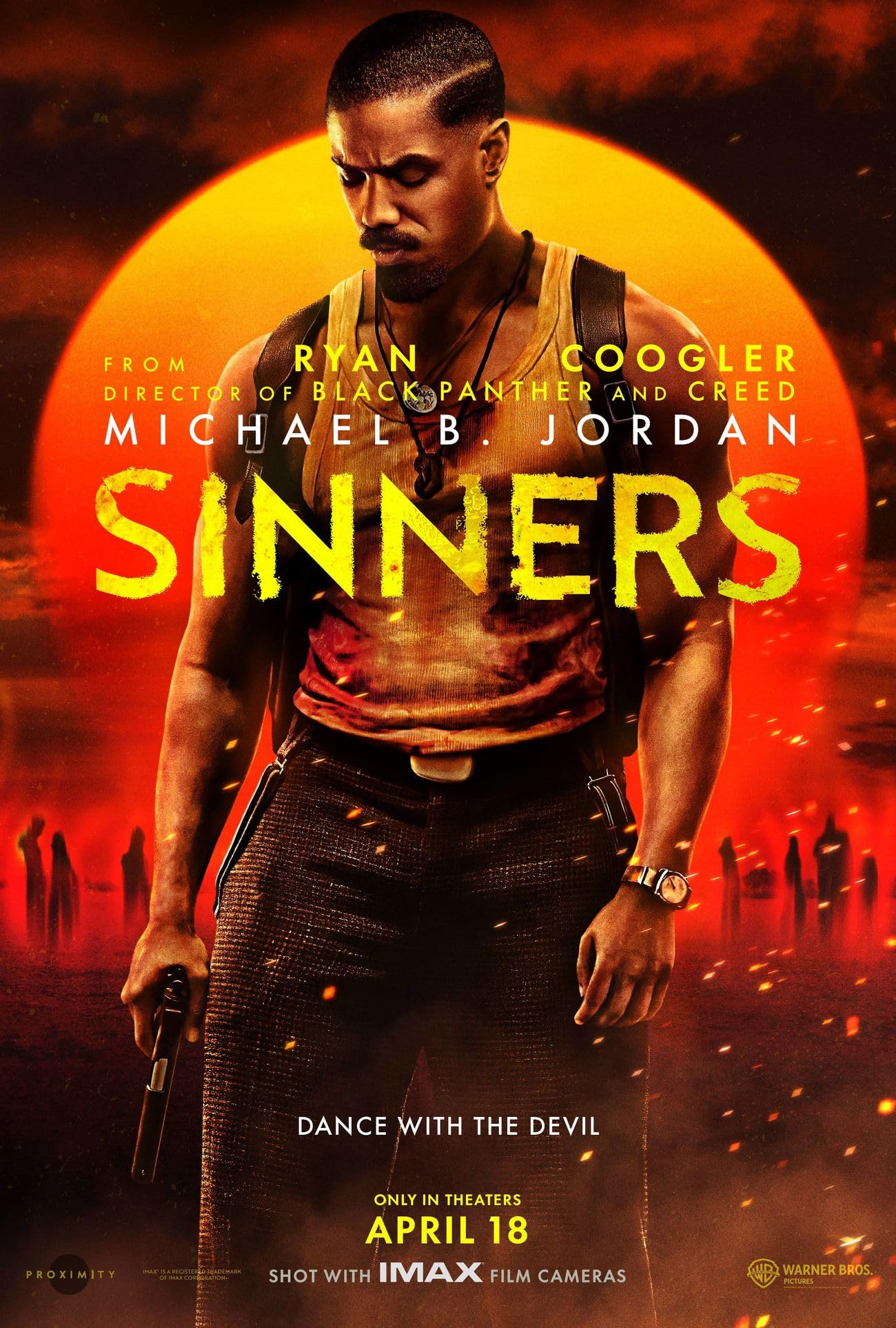
Sinners

It’s difficult to describe a project as ambitious as Sinners in just a few words, but this might be the first time in Oscar history that we have a horror musical about vampires and the Jim Crow South in the Best Picture lineup. It is a big-hearted wildcard of a movie with some killer tunes (pun intended) written by Oscar-winning composer Ludwig Göransson and a triple-threat ensemble cast that shines throughout. 

But even with all the film’s supernatural elements, Sinners’s main throughline undoubtedly is music. Protagonist Sammie’s preacher father disapproves of his love of music, but his divine gifts for guitar and singing turn the Mississippi Delta upside-down, and the movie also features a cameo from a certain blues legend. Watching Sammie struggle with his purpose and claim his talents makes for an enthralling viewing experience. Being a musical virtuoso isn’t all it’s cracked up to be, and if you’re hungry for another story about a cursed musical superstar, then it sounds like it’s time for…

Claudio Monteverdi’s L’Orfeo

The undead, doomed lovers, a protagonist cursed with the gift of song; much of what compels viewers about Sinners is also what has made this Greek tragedy one of the most enduring. Monteverdi’s Baroque masterpiece, one of the oldest operas still performed today, builds upon the musical themes already present in the story. Like Sammie, Orfeo (more commonly known as Orpheus) has been blessed with musical abilities that literally transcend our mortal realm, and each work centers on the deep loves and sharp losses that come with such a gift. The use of the harp and other string instruments in the orchestration even brings to mind the importance of Sammie’s guitar playing in Sinners. 

Most people already know how the story of Orpheus and Eurydice ends, and it must be said that Sinners doesn’t exactly have a happy ending either. But in both cases, one cannot help but think about the inevitability of the characters’ tragic fates and whether that makes their moments of happiness all the more sweet. When Orpheus fails to bring his beloved back from the dead and Sammie rejects the possibility of eternal life, both instances serve as a poignant reminder that we don’t get any do-overs, and arguably, we shouldn’t. 

One Battle After Another

Will Hollywood’s most prestigious award finally go to director Paul Thomas Anderson? This edge-of-your-seat political thriller has swept awards season and could win the veteran auteur the coveted golden statue. One Battle After Another sees a former revolutionary forced to go into hiding for his own protection, but when his daughter Willa is kidnapped by the very people he used to fight, he sets off on an odyssey to get her back. Willa, however, has inherited her parents’ fighting spirit, and she proves to be no damsel in distress. 

Though he takes inspiration from our turbulent times, One Battle After Another is ultimately a story of hope. Anderson’s faith remains steadfast with the do-gooders of the world and the possibility of a brighter day. And while Bob, played by Leonardo DiCaprio, might be the lead, the story is ultimately about Willa as she grows into the strong, thoughtful woman she was always meant to become, reminiscent of…

Ludwig van Beethoven’s Fidelio

A sweeping political saga centering a brave young woman standing up to tyrannical leaders…are we sure that Paul Thomas Anderson himself didn’t turn to Beethoven for inspiration?

The composer’s only opera, Fidelio’s celebration of the human spirit in the face of political oppression still captivates audiences and remains culturally relevant over two centuries after its premiere. Like in One Battle After Another, the protagonists from Fidelio find themselves targeted by powerhungry tyrants who will do whatever it takes to remain in control. In One Battle After Another, the reactionary Colonel Lockjaw (Sean Penn) has been terrorizing Bob and his family for over a decade, while in Fidelio Florestan is imprisoned by his enemy Don Pizzaro, who sentences him to death. Both works have high stakes, even higher emotions, and best of all, a nice, healthy serving of girlpower because at the center of Fidelio is Florestan’s devoted wife Léonore, who dresses as a man and sets out to save her husband. One Anderson/Beethoven double feature will have you feeling resilient and ready to make the world right no matter what you might be facing. 

Apart from being thoroughly entertained I always find myself leaving an opera house or a movie theater feeling like  I have gained new perspectives and like I have glimpsed another person’s outlook on life. When looking at these immortal composers next to the prestigious filmmakers of our times, it is clear that artists across the centuries have used their art to ask questions about history, life, love, and what it means to live in our changing world. Whether they be the fantastical works of Wagner or Coogler or the character studies of Trier or Donizetti, audiences will always gravitate to art and music that brings universal truths and shared experiences to the light.

Written by Viviana Freyer

Editorial Assistant at medici.tv

View author's page