
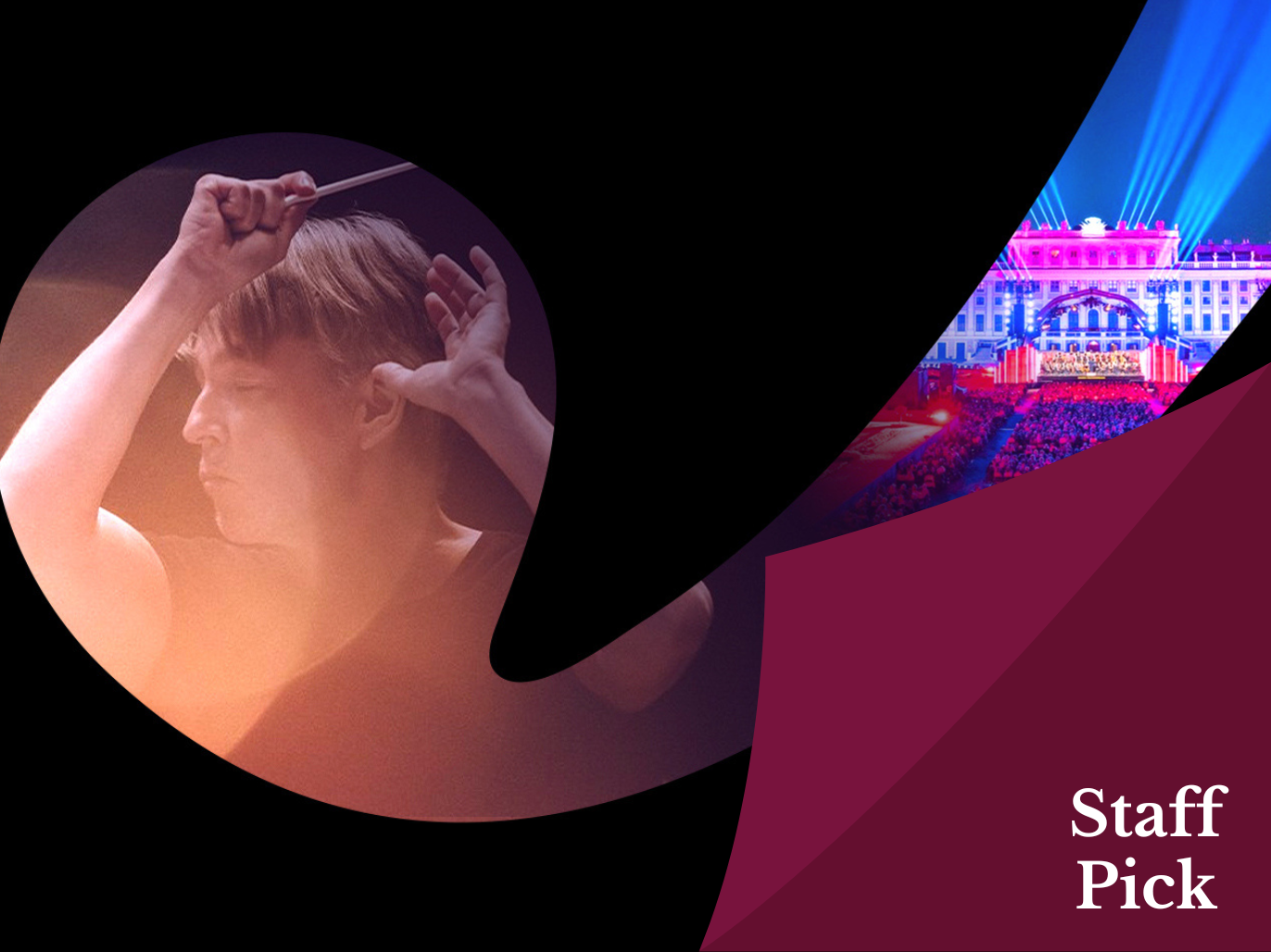
It is one thing to live a concert through the eyes and ears of an audience member — if you are reading this, chances are you already have some precious concert hall memories etched into your mind — but to experience a performance from the stage or the orchestra pit is another thing entirely. Musicians are human beings like any other, and when they get on stage, chances are they take their current preoccupations, their emotional baggage, and their own taste in music with them. I am no different. Without further ado, let me walk you through some of the uplifting, heartbreaking, and mindblowing moments one might experience while installed in the best seat in the house with five true anecdotes from my time as an orchestra cellist, and five legendary performances by world class artists that illustrate them.
View author's page
Reading time estimated : 10 min
Love at first sound
When my university orchestra and I started rehearsals for Dvořák’s “New World” Symphony, I had just moved from France to the UK. Being truly away from home for the first time, I felt an incredible sense of freedom — like stepping into a new world of my own.
The fourth movement of this opus may be better known, but it was the first movement that really had my heart singing from the beginning. After the orchestra emerges from the haze of the first few bars, folk melodies come aplenty, energetic and ebullient. In one of these, extreme serenity emanates first from a single flute, carried over and developed by other instruments that lead us back to the main theme.
I didn’t yet know my fellow musicians during our first rehearsal, but just that one phrase was enough to make me feel a deep affection for the musician playing it. They interpreted it with such sensitivity, generosity, and genuine care that I felt certain they had to be a uniquely special person — and my intuition later proved correct. It turns out sometimes music does let you express emotions too complex for words, and for the introverts among us, it can be a true path to fulfillment.
By the time of the concert, we had all upped our game and I was beaming during the whole performance, but to this day, nothing in that masterwork can match the euphoria of that first flute entrance for me. Here, Marin Alsop treats us to her own wondrous interpretation with the Polish National Radio Symphony Orchestra. Listen for that flute line — blink and you might miss it!
In the Bleak Midwinter
Not all my orchestral experiences, alas, can be memorable for quite so gloriously life-affirming reasons. To wit: one winter night when I was in middle school, all the musicians from the conservatory orchestra were crammed at one end of the town hall ballroom, with parents and officials at the other. We started playing the raucous “Bacchanale” from Saint-Saëns’s Samson et Dalila. Watch out for the breathless opening oboe phrase — a true feat of breath control that, on this particular evening, had to be performed twice…
Little by little, we started falling apart, until entire sections of the orchestra stopped playing. Soon, only our rock steady timpanist seemed to know what was what, and the conductor had to put a stop to the cacophony. The shame we felt was particularly searing, having to start over with the whole town watching, but thankfully we nailed it on the second attempt, and the first catastrophic run was allowed to pass into the realm of fond childhood memory.
To commemorate this epic failure, let’s listen to a performance that is its diametric opposite in quality and temperament: a flawless rendition by the Vienna Philharmonic at the 2025 Summer Night Concert, set amid the scenic gardens of Schönbrunn Castle.
Sweet dreams
Growing up, one of my favorite works was Beethoven’s Ninth Symphony. It is not controversial to affirm that this piece, written when Beethoven was completely deaf, represents one of the most astonishing achievements in the history of art, and one that I can only marvel at as a composer myself. Over the years, the Ninth became an integral part of my own musical journey.
When I learned that my orchestra (the same one as in the first story) was scheduled to play it during a season opener, I was elated. By that point, I had become first cellist and couldn’t wait to lead the section in such a significant work, a childhood dream come true. Look out for the rich tone of the cello and double bass at the beginning of the fourth movement: we even get to be the first to play the “Ode to Joy” theme!
Violinists are spoiled for choice when it comes to playing a work’s main theme, but that is less the case for cellists. I’m not complaining — some orchestra players have to count fifty bars or more before playing a single note — but when your time comes to shine, you make the most of it. Listen as the cellists and double bassists of the West-Eastern Divan Orchestra brilliantly seize their chance at the Royal Albert Hall, soaring from a triple pianissimo to a back and forth with the whole orchestra.
Later, as I moved on from cello to singing, I took that childhood dream up another level by performing the Ninth as part of the choir during the BBC Proms, at the Royal Albert Hall as well. I guess the next step is to conduct it. Speaking of which…
Under pressure
I’m not taking any risks in stating that Carmen is one of the greatest operas ever written. Even if you are no great fan of opera, the orchestral suites by Ernest Guiraud (who also helped his friend Bizet out with the work’s recitatives) are a delight to musicians and audiences alike. But can one ever tire of it? The answer is yes, but not how you might think!
My most intense encounter with Carmen came not in the pit, but at the podium. A few years back, I had the privilege of conducting this operatic pinnacle while studying in Scotland. Following an entire school year of preparation and behind-the-scenes stress — including the impossibility of finding a venue, and even the defection of a main cast member — we arrived at the big day feeling as prepared as we could. But success in music can only be measured on stage, and although you might feel like you have done enough in rehearsals, you won’t really find out until opening night…
Apart from a few minor hitches, I would say it went swimmingly, with everyone onstage seeming to enjoy themselves. Walking off at the break, I started to feel strange, and by the time I had made it backstage I was bawling my eyes out. The pressure that had been building for the whole year had suddenly lifted, and it turned out my body didn’t know quite how to react. Thankfully, everyone else was in the same boat, and I was comforted by dozens of friendly faces.
We came back out ready to face the rest, and by the last act I even found myself taking genuine delight in the show, as all the main characters entered the stage for the final showdown in “Les voici! Voici la quadrille!” The experience was utterly unforgettable, but so intense that I was unable to listen to Carmen for over a year — an odd sensation for a Bizet devotee! I’ve since come back to it with an even deeper appreciation than before, and I particularly love this classic Salzburg Festival production: watch maestro and stage director Karajan conduct the Vienna Philharmonic, as tension builds toward the opera’s dramatic conclusion…
Not quite my tempo
Conductors have a responsibility towards young musicians: nurture them, teach them the importance of teamwork, educate them about the music they are playing, and they will forever cherish their experience with your ensemble and appreciate the music they come across later in life.
If only, like in the example that follows, it had been Esa-Pekka Salonen on the podium when I first played Bruckner as a youngster… Things might be different today, and perhaps I would be reveling in the richness of the composer’s harmonies, his flair for orchestration, and his talent for melodies that still influence film composers.
Instead, after hours of painfully idle rehearsal time, sitting silently while the conductor obsessed over the violin section’s tempo and fruitlessly rehashed the same sections dozens of times, I came to experience a feeling of uselessness that turned me off to Bruckner’s music. I still have a hard time overlooking the negative side of it: the overlong sequences, the constant use of tremolo and frequent octave jumps, as well as the sheer physical challenge it can be to play even his low-intensity works.
In telling this cautionary tale, I mean no disrespect to fans of Bruckner — I just want to draw attention to the weight that one negative experience can have on the life of a musician, who might miss out on all the wonderful facets of a composer’s artistry through an overly rigid and joyless first encounter. So, conductors, be aware of the pivotal role you play in the development of young talent, and you may inspire the great artists and music lovers of tomorrow!
