
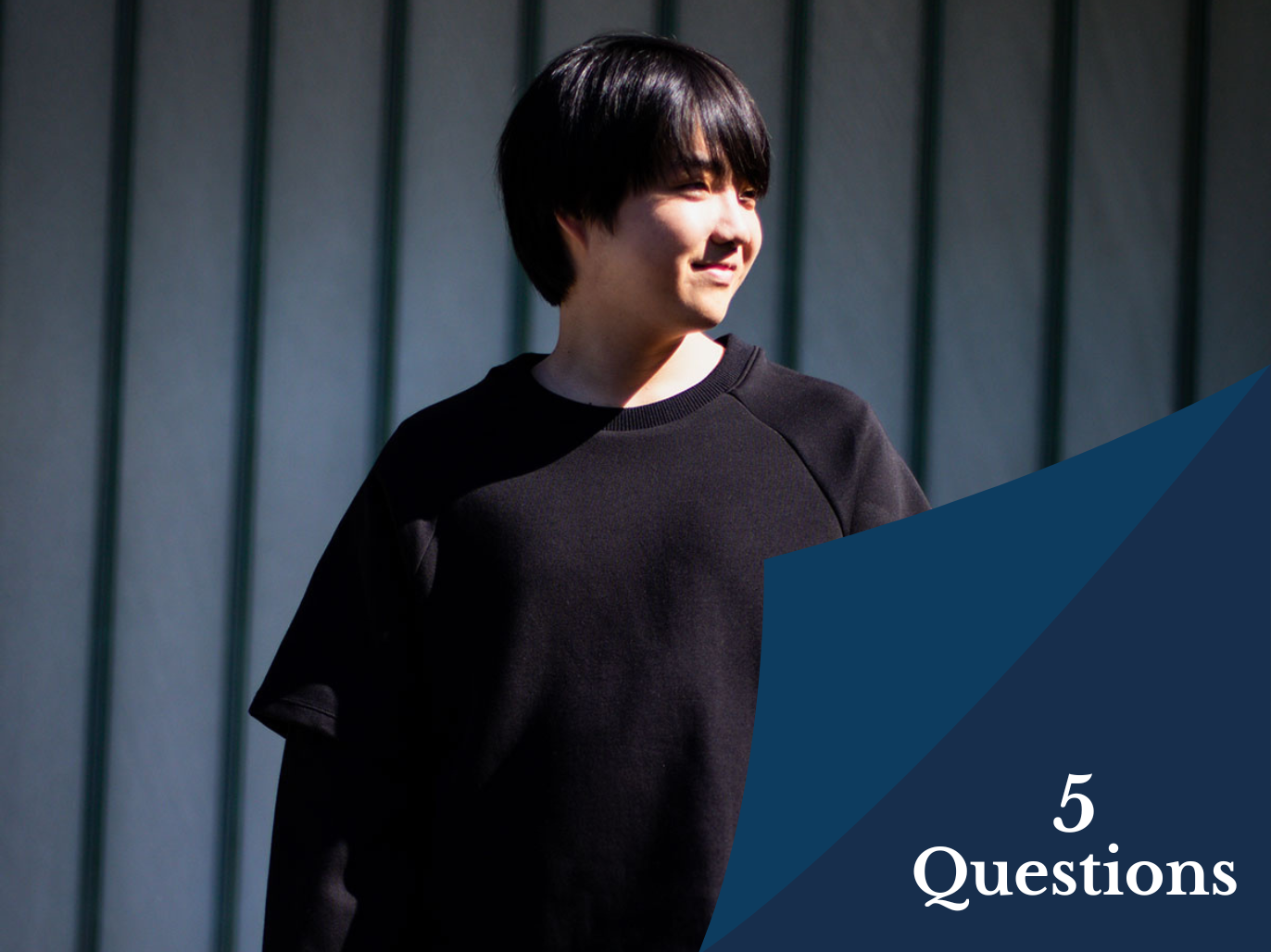
Mao Fujita: “Life Is Not a Sprint”

On the occasion of his concert with Tarmo Peltokoski and the Orchestre National du Capitole de Toulouse, pianist Mao Fujita reflects on collaboration, luck, and guidance from mentors, highlighting his love of opera.

View author's page

By Editorial Team

Reading time estimated : 3 min

This concert brings you together with Tarmo Peltokoski for the first time. What strikes you most about him as a musician and conductor?

Yes, I was very excited because I’m a huge fan of Wagner, and I read that he is also a great Wagner fan. So I was really looking forward to collaborating with him.

When we met for the first time yesterday, we talked a lot about Wagner—Tristan und Isolde, and especially Parsifal. We discussed many things about Wagner, not Chopin who was on the progam!

But when I saw him conduct in rehearsal, I felt that his eyes were already speaking—more than gestures or suggestions. His eyes are very special. He has incredible charisma.

We didn’t need to talk much in words—just through the music, through the sound. And I hope we will continue this collaboration as friends.

What do you like to do when you’re not performing?

I like to listen to music, of course. But I especially love going to the opera—even more than symphony concerts or piano recitals. I go very often; it’s something very precious to me.

And outside music, I enjoy cooking—especially Japanese food!

What’s the best piece of advice you’ve received?

I remember Maestro Semyon Bychkov telling me in Munich: “Life is not a 100-meter sprint—it’s a marathon.”

He told me to be careful about balance: not too many concerts, but also time for nature, listening to music, visiting museums. All of this helps your interpretation.

Maestro Daniele Gatti told me something similar. When you’re young, your capacity is limited. If you do too many concerts, you exceed it. But if you enjoy life, you become more relaxed and flexible—and your capacity grows.

I call this a “sweet apple” lesson.

What’s something you always have with you when you travel?

Before I play, I always use a hand warmer. That’s very important for me—I always bring one.

And of course, a passport… but also luck! Luck is very important—flights, trains… if you are lucky, everything goes smoothly.

Imagine someone who has never heard classical music. What piece would you choose for them?

I would choose Mozart’s Requiem. It contains so many different styles, dramatic moments, and a special atmosphere—as if the sound comes from above in a cathedral.

You can immediately feel Mozart’s genius, through the variety of colors and harmonies.

Written by Editorial Team

medici.tv

View author's page