
As medici.tv’s Chief Content Officer I spend a lot of time thinking about classical music—and a lot of time on the internet. Here’s my selection of the top four news items you need to see this week if you want to stay in the know.
View author's page
Reading time estimated : 4 min
The Paris Opera’s Garage Sale (NYT)
Last week, a selection of opera and ballet fans had the opportunity to shop at perhaps the chicest “garage sale” ever of around 5,000 costumes and 2,000 accessories from the Paris Opera and Ballet archives (as far as I’m aware, none of the medici.tv team members were lucky enough to get a ticket!). The New York Times was on site to document the event and learn how the pieces were selected for sale by the costuming and archival teams—and how they were selected for purchase by local buyers.
The Paris Ballet is known for its spectacular costuming department and frequent collaborations with local fashion designers. This 2017 production of A Midsummer Night’s Dream, featuring costumes by Christian Lacroix, is one of my favorites:
The National Symphony Orchestra’s alarming situation
As the Kennedy Center moves to remove Trump’s name from official communications, following a court ruling that it had been illegally added last year, the National Symphony Orchestra continues to struggle. Without a confirmed venue or budget, the ensemble has been unable to confirm plans for the coming season. Singer-songwriter Ben Folds, who was the NSO’s artistic advisor for over a decade, published an open letter on social media this week that is both a concrete call-to-action to support an orchestra in grave danger, and an ode to the symphony as a “symbol of civilization”: “For us to strive to work together for the greater good, we need to see that in action, and symphony orchestras do this every night. It’s an important symbol and when the symphony erodes, that’s the sounding of an alarm for the health of actual civilization.”
Olivia Book on “expanding what a ballet body can be” (NYT)
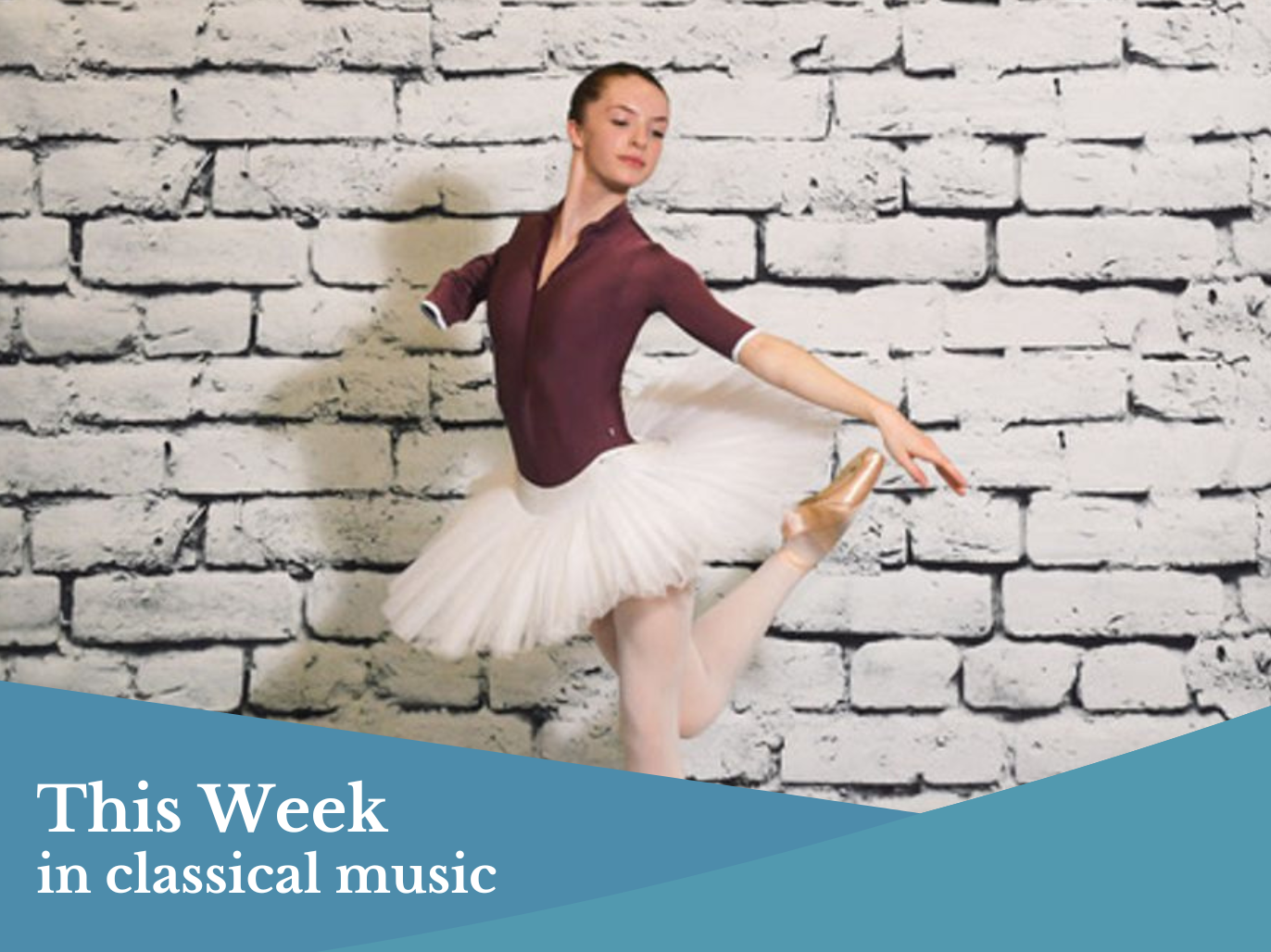
While the ballet world is known for its strict definition of what a dancer’s body should look like, new efforts to address diversity and inclusion have been made in recent years. I enjoyed this profile of Canadian dancer Olivia Book, a member of the Ballet West corps de ballet who also has a congenital limb difference (her right arm is smaller than her left), making her one of the first professional ballerinas with a visible limb difference. Speaking to the NYT, Book talks about the challenge of simultaneously blending in with the other members of the corps and being a beacon of change in a very traditional industry: “I never want to have to change the choreography too much… I always want to find that balance where I can honor the choreography and still be a part of it.”
The Sirius 6.0 and what the standard piano size reveals about society
This post from pianist and psychologist Heather O’Donnell is more than a week old but it just landed in my Instagram feed this week and is worth a look. In it, O’Donnell plays a “Sirius 6.0” piano which is slightly narrower—just half a key per octave—than a standard model, and reflects on inclusivity and what we gain by questioning what has been long defined as “normal.”
